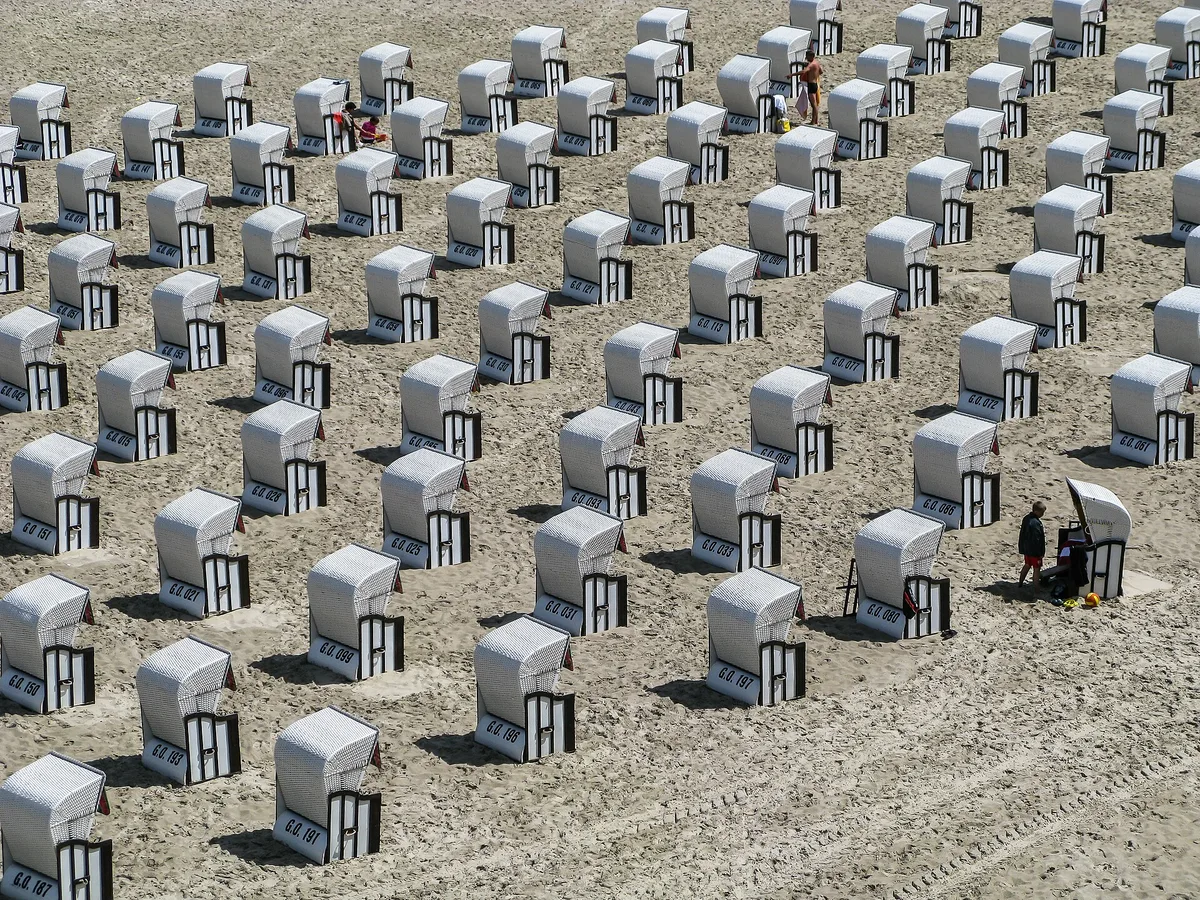
How to Find the Best Beaches Near You This Summer
A simple checklist for water quality, crowds, and amenities — so the beach you pick is the one you actually wanted.
Beach-by-beach assessments covering water quality testing, temperature through the year, tide and current behavior, lifeguard coverage, sand and shade, facilities, parking charges and access by public transport. Hazards appear near the top, never in a footnote. For families and swimmers choosing where to spend a day safely.
Individual beaches assessed on water quality and temperature, tides, rip currents, lifeguard hours, shade.
A simple checklist for water quality, crowds, and amenities — so the beach you pick is the one you actually wanted.
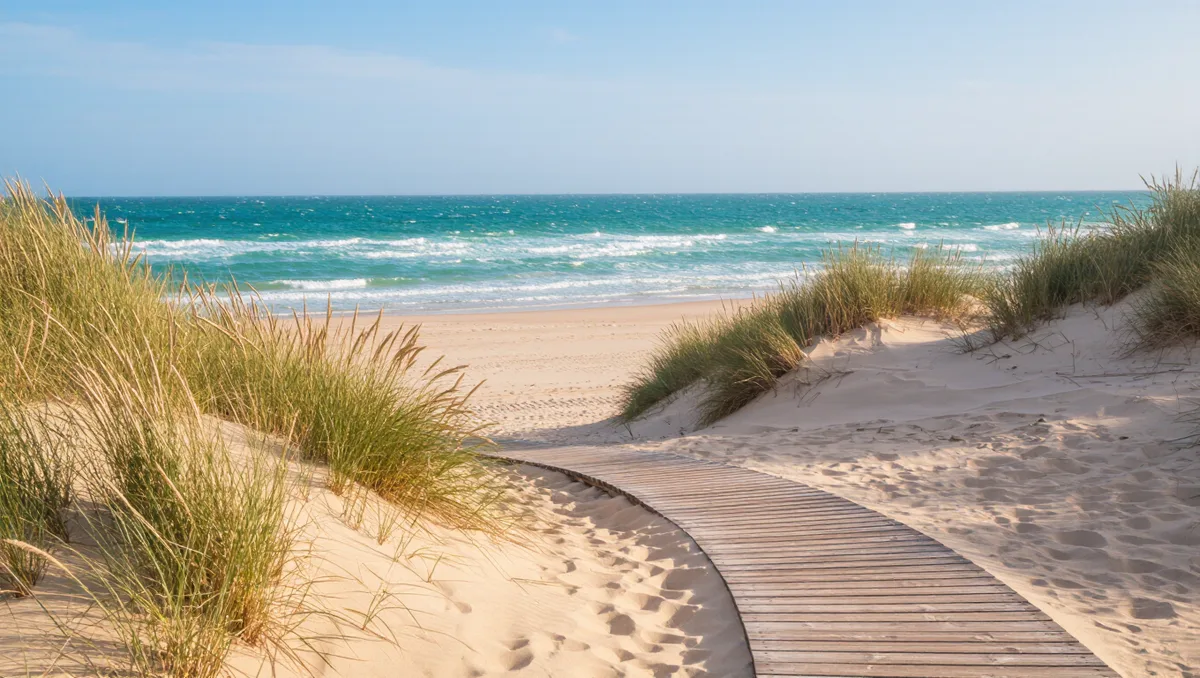
Empty sand, easier parking, and lower rates — what the cold-weather coast actually offers, and what it asks in return.
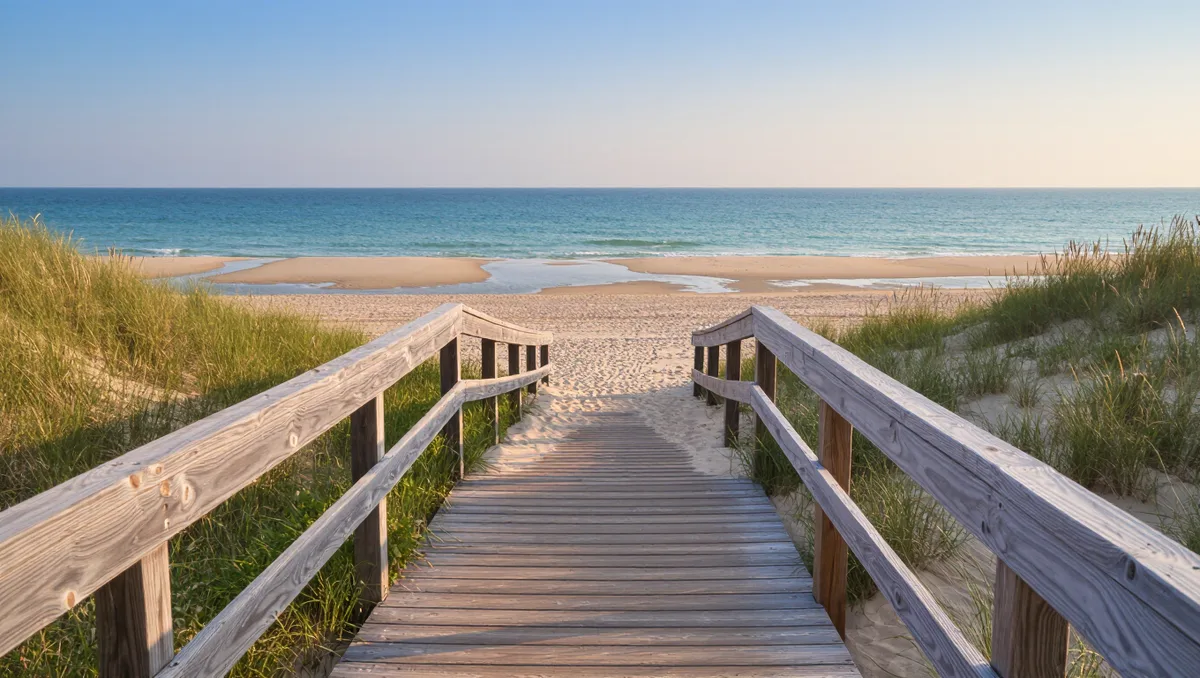
Parking once and never moving the car again takes more than a pretty boardwalk. Here is the checklist that separates a true walking beach town from a strip with sidewalks.

The route you pick from the parking lot decides how hard your beach day starts. Here is what each surface asks of your body and your gear.

The right shade depends less on the brand and more on the sand, the wind, and the rules where you're headed.
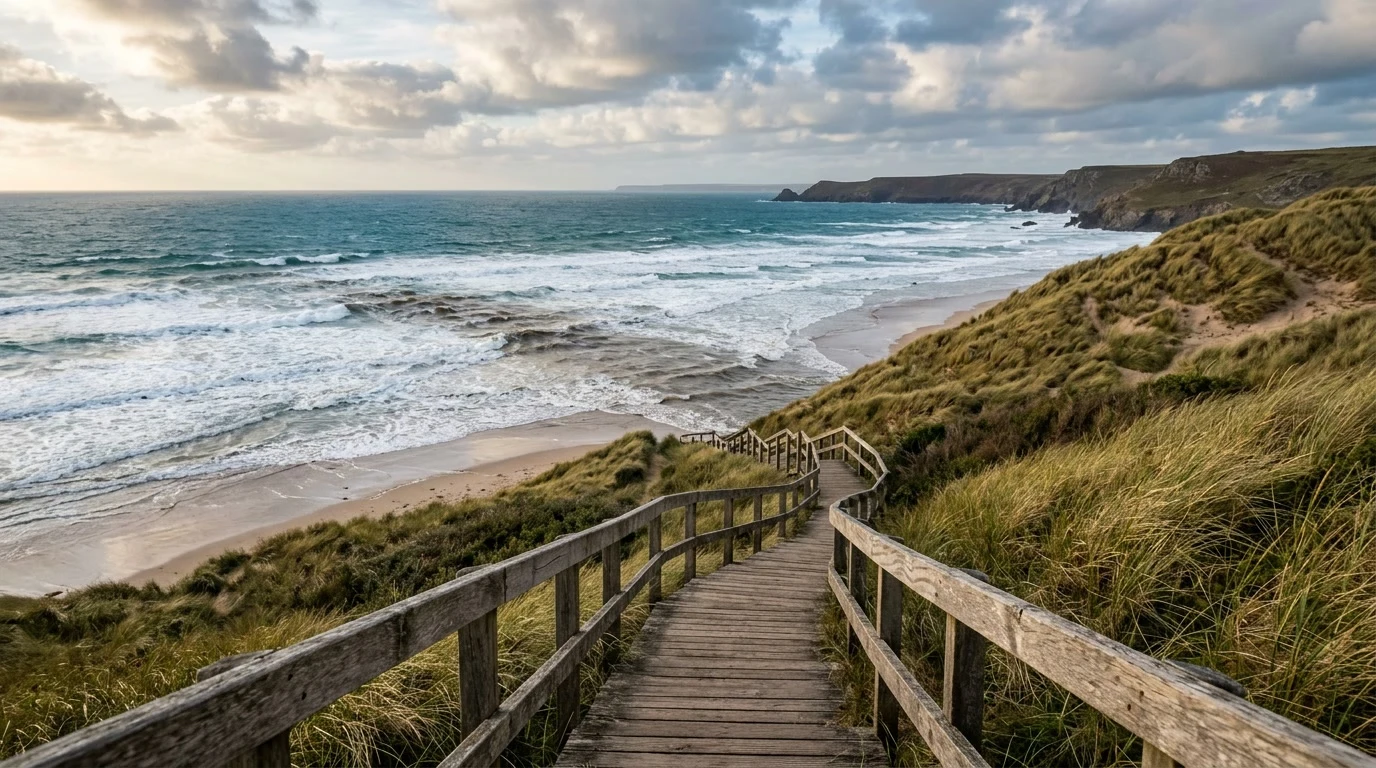
The National Weather Service now forecasts danger down to roughly a kilometer of coastline, updated hourly. Here's what feeds the model and how to read it before a beach day.