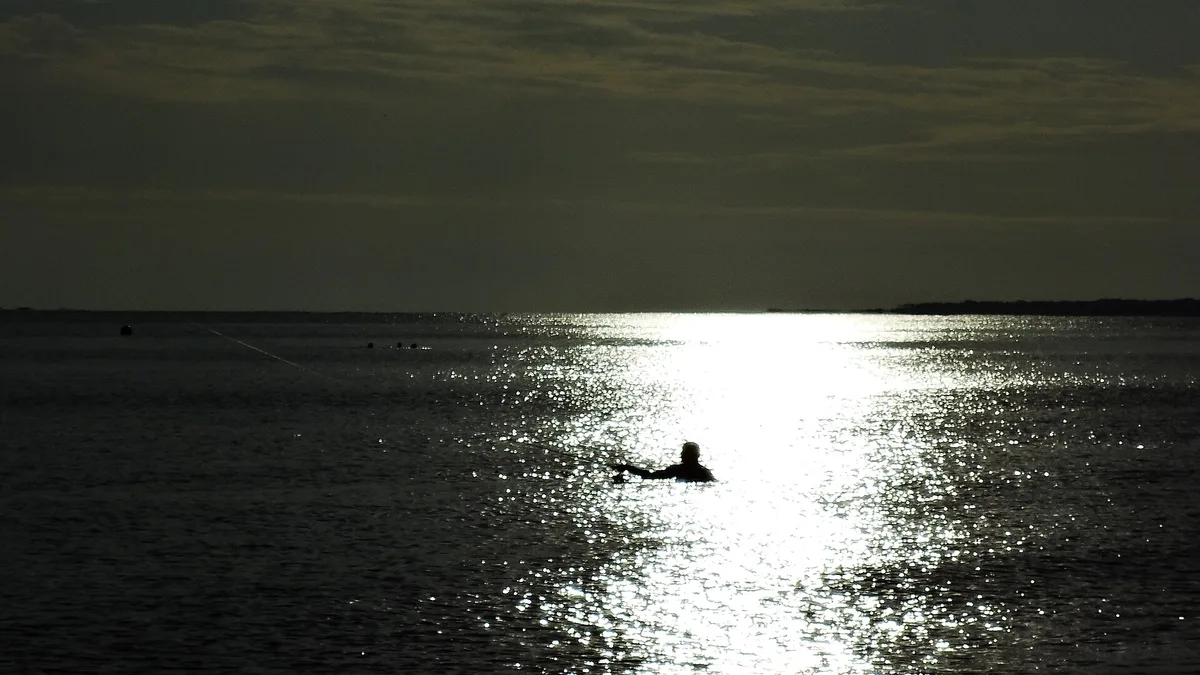
Kayak Fishing From the Beach: Launching Through Surf Without Flipping
Launching a fishing kayak through surf is a timing problem, not a strength problem. Pick a stable hull, stow gear low, and go straight in during a lull between wave sets.
Open water swimming, surf breaks, kayaking, coast path walking and rock pooling.
Launching a fishing kayak through surf is a timing problem, not a strength problem. Pick a stable hull, stow gear low, and go straight in during a lull between wave sets.
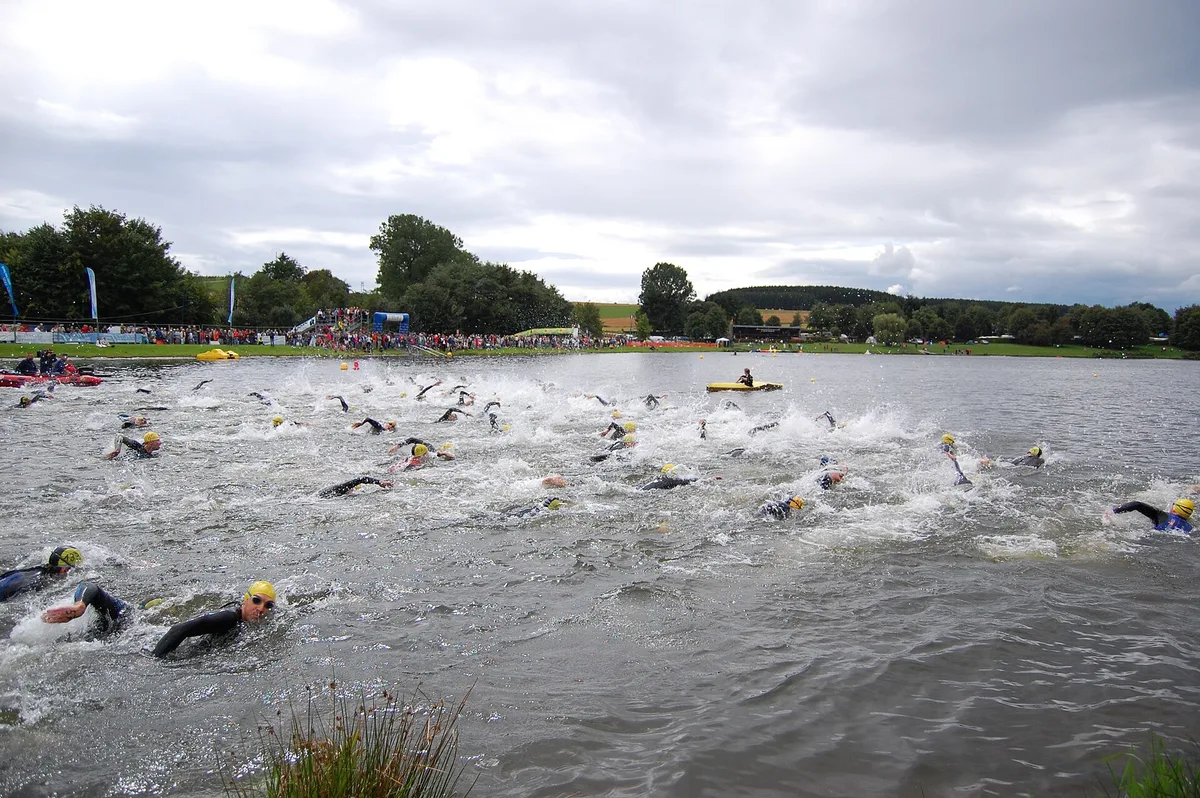
No lanes, no walls, no lifeguard: open water swimming runs on your own judgment. These sighting, breathing, and entry habits build the margin every swim needs.

A beginner's shellfishing primer: what gear to bring, how to read the tide, and why the permit comes before the shovel.

An entry-level plan for your first coastal paddle: what kind of boat to rent, the three strokes that matter, and how to time the water before you push off.

You don't need a marsh, a license, or much gear. The sand between the lifeguard stands is one of the easiest places in the country to learn birds.
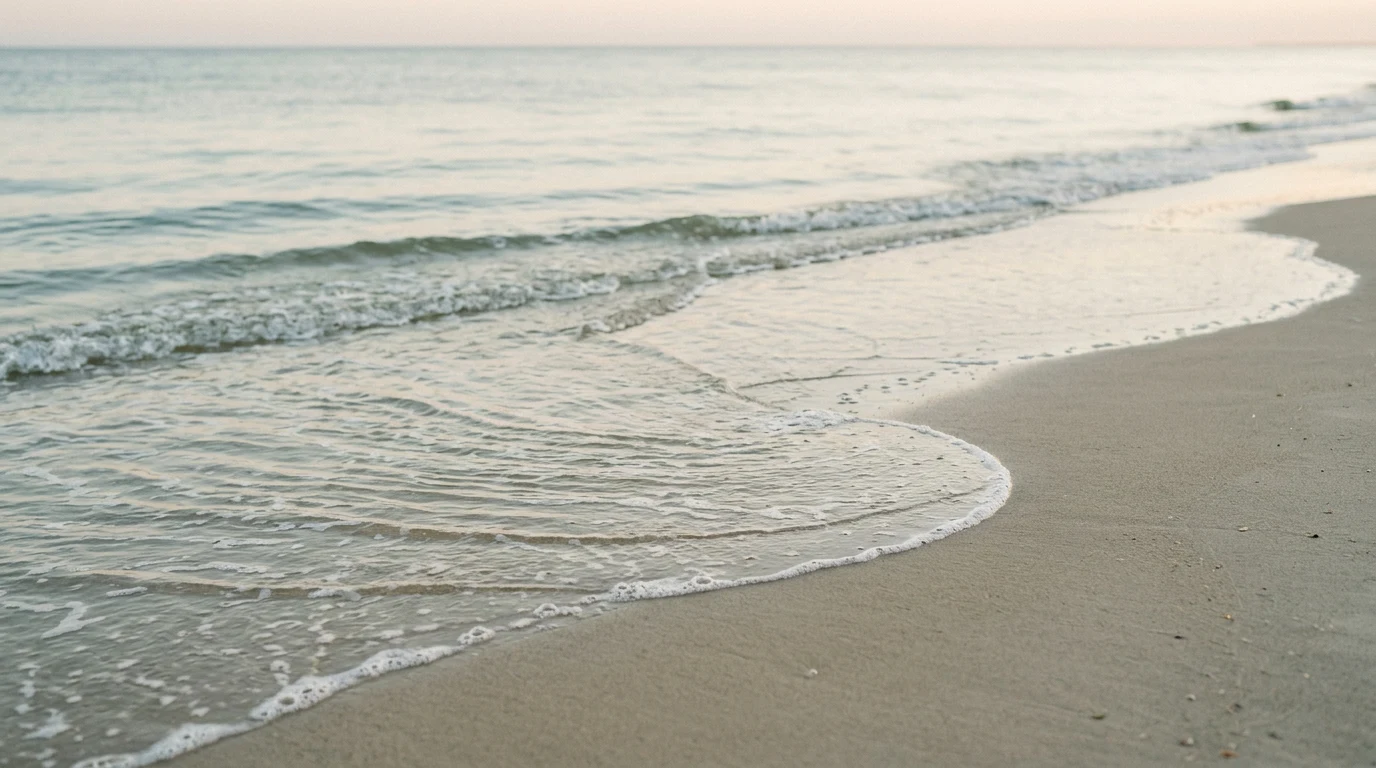
Rip currents kill roughly 100 people a year on US beaches, per NOAA — and the official guidance is to swim parallel to shore, not against the current, a fact worth knowing before it is needed.