Outdoors
Activity guides for the water and the edge of it: open water swimming, surf breaks graded by ability, sea kayak routes, coast path sections, snorkeling and rock pooling. Entries cover entry points, tide windows, typical conditions, wetsuit thickness and local hazards. For readers who visit the coast to get into it.
Open water swimming, surf breaks, kayaking, coast path walking and rock pooling.
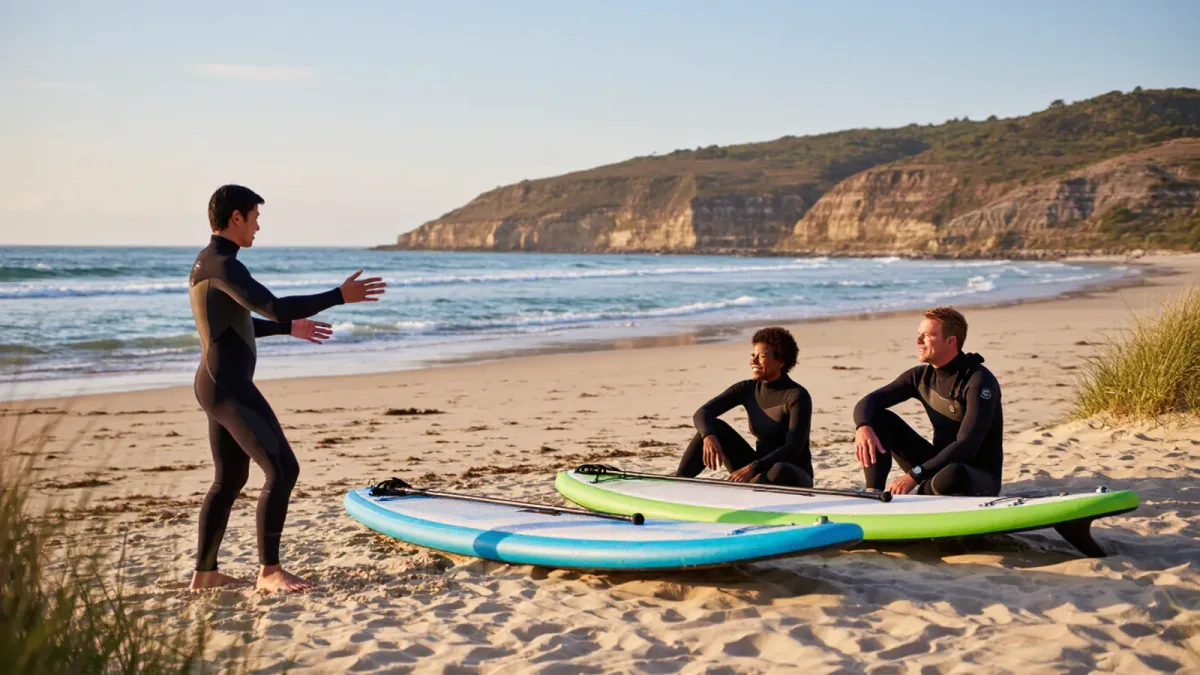
An entry-level plan for your first coastal paddle: what kind of boat to rent, the three strokes that matter, and how to time the water before you push off.
You don't need a marsh, a license, or much gear. The sand between the lifeguard stands is one of the easiest places in the country to learn birds.
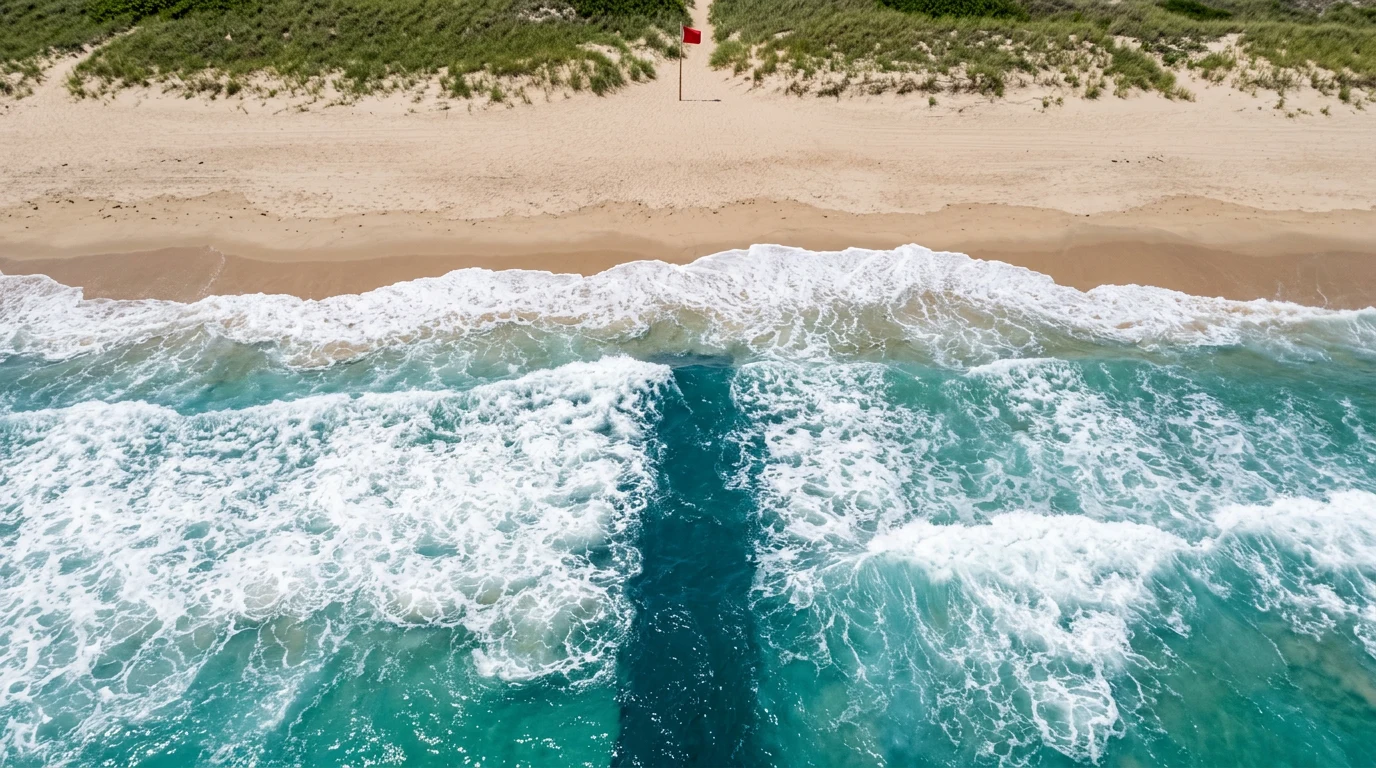
Rip currents kill roughly 100 people a year on US beaches, per NOAA — and the official guidance is to swim parallel to shore, not against the current, a fact worth knowing before it is needed.
The National Weather Service posts a rip current risk level for surf beaches every day, and the flags on the sand say something different again. Here is what each one means, and what NOAA and the National Park Service tell swimmers to do when the water pulls.
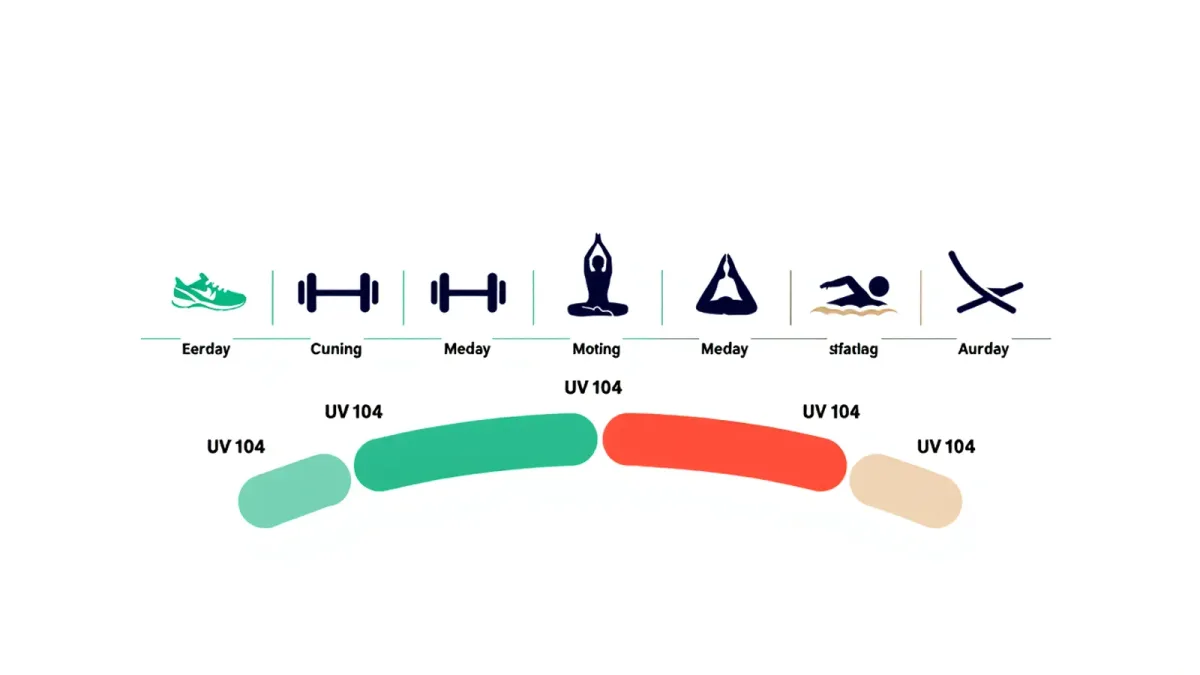
Sand adds resistance and instability to everything — here is how to time a beach workout around the UV index and tide, where the public class scenes run deepest, and what a sensible week looks like.
Cowell's in Santa Cruz, La Jolla Shores in San Diego, and three more West Coast beaches where the waves are slow, the schools are established, and a wetsuit solves the cold.