
Beaches in Rhode Island Worth the Drive From Boston, When You'd Rather Skip the Cape Traffic
Narragansett and Misquamicut deliver wide sand, real surf, and walkable beach towns — and none of the canal-bridge bottleneck.
Narragansett and Misquamicut deliver wide sand, real surf, and walkable beach towns — and none of the canal-bridge bottleneck.

A step-by-step approach to finding shore lodging, beaches, and restaurants where a dog is a guest, not a loophole.

Phantom ships, haunted inns, and lighthouse keepers who never clocked out — the folklore behind the coast's spookier season.
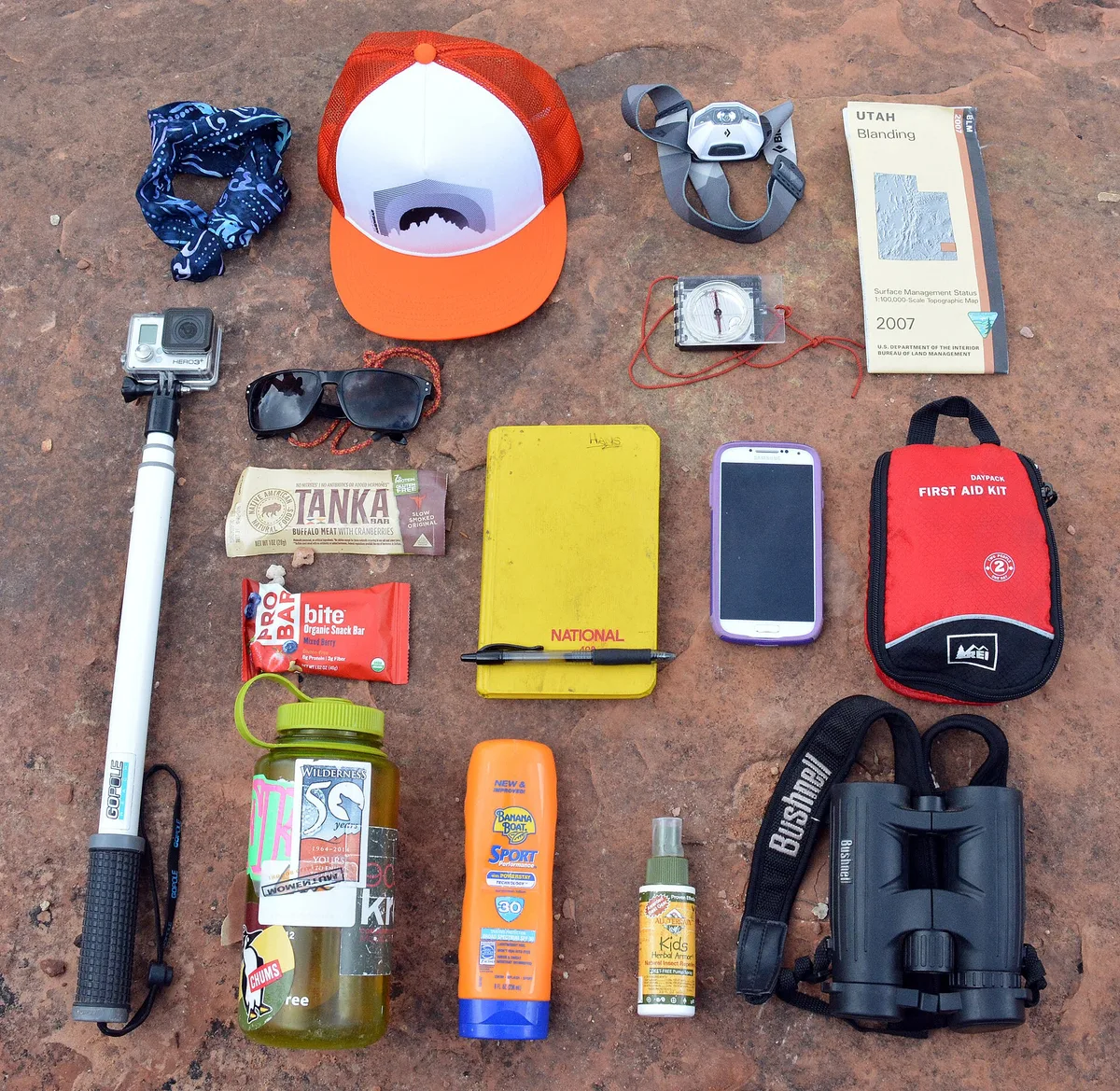
What seasoned hikers carry on a coastal trail, and why each item earns its weight.
A shore ceremony looks simple on a postcard. The budget lives in three places most couples never see coming: the permit office, the weather plan, and the vendor's travel line.
The thaw opens the year's quietest hiking weeks — if you know which paths dry first and which ones to leave alone until May.
A simple checklist for water quality, crowds, and amenities — so the beach you pick is the one you actually wanted.
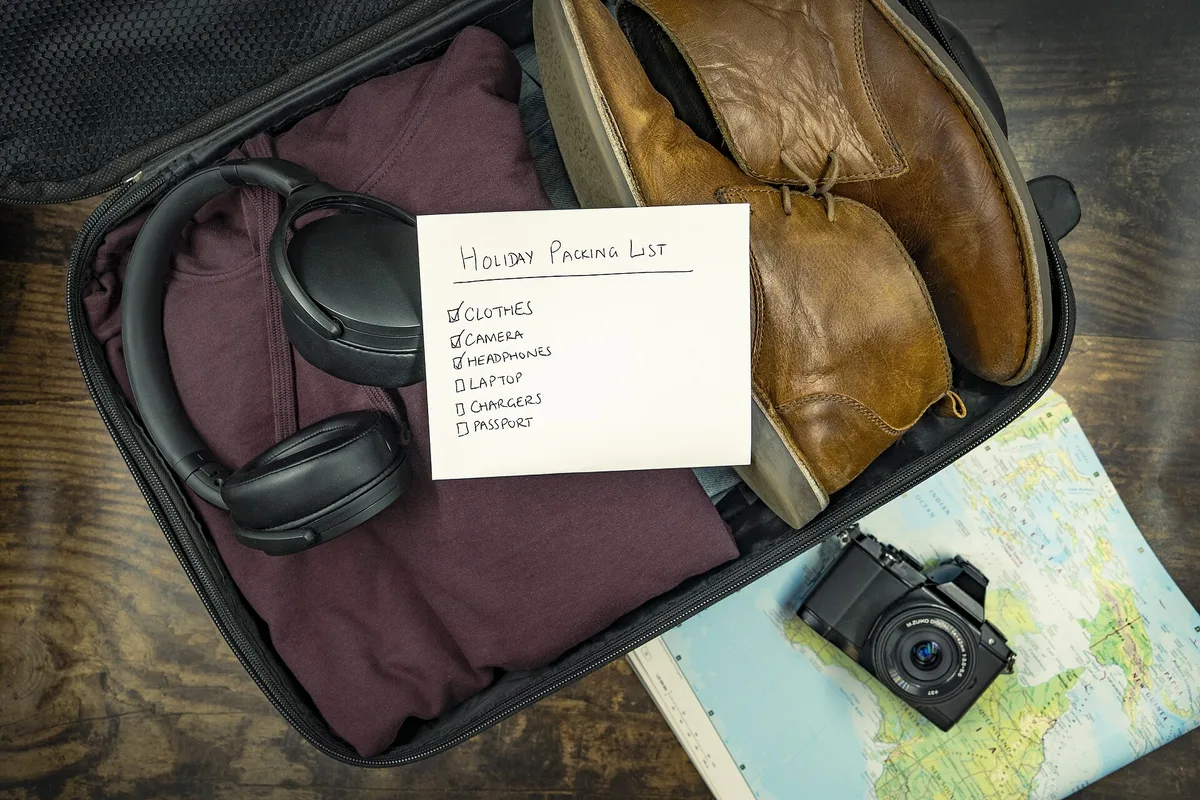
Why the list you build before you pack beats any template you download the night before.

The two-night rule that works in May disappears by July. Here is how minimum-stay rules work, why they tighten, and how to plan around them.
Gulf of Mexico water temperatures peak in August near 86 to 88 degrees Fahrenheit and stay warm enough for comfortable swimming from May through October, per NOAA's long-term sea-surface data.
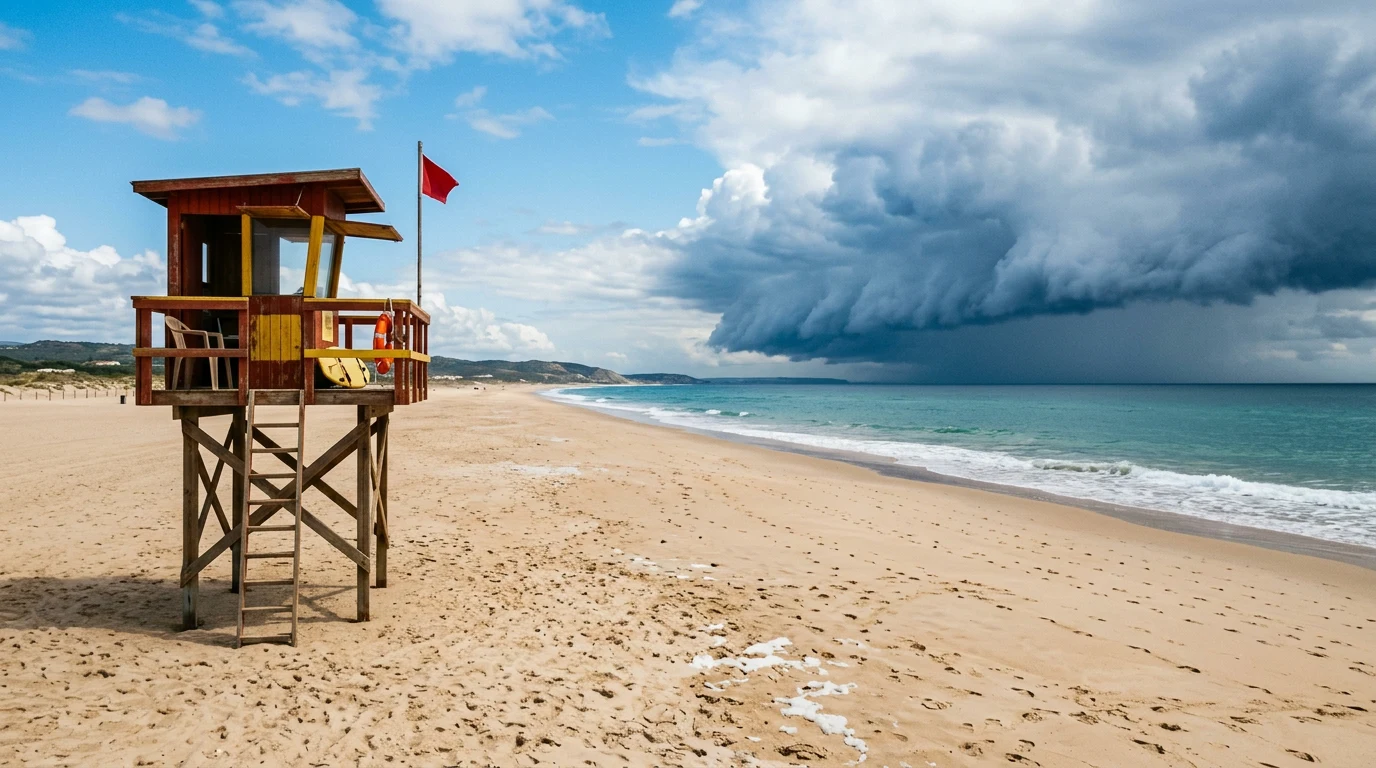
A practical, source-checked framework for booking, watching the forecast, and staying safe on the sand between June and November.
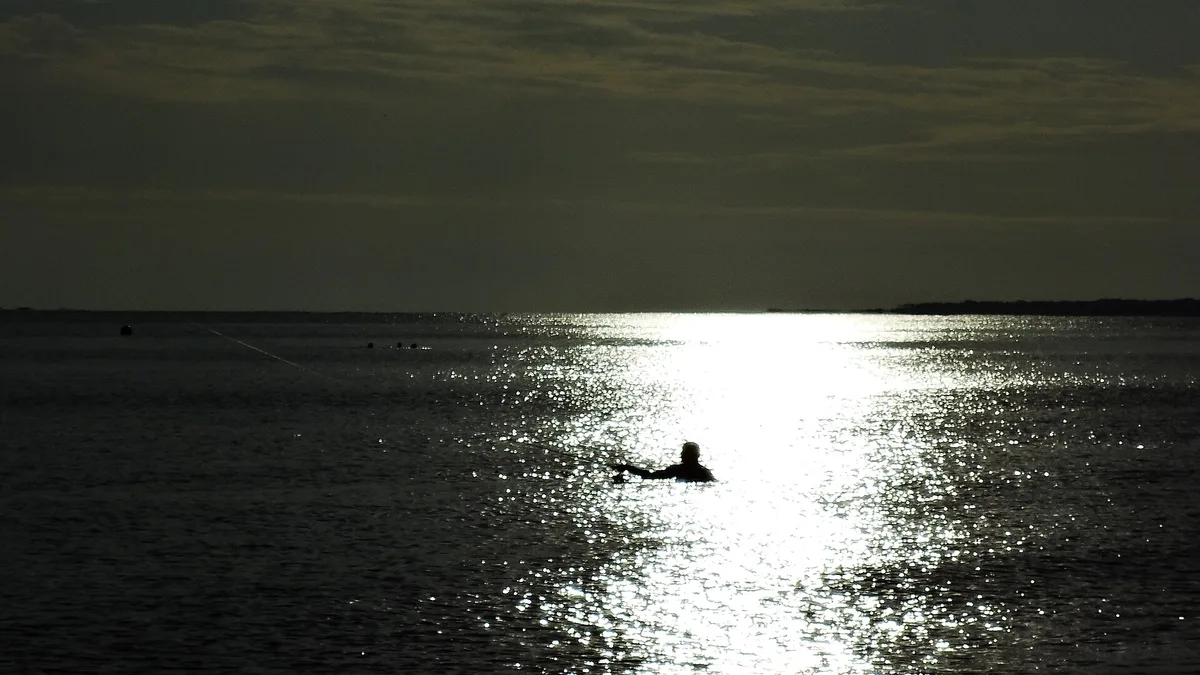
Launching a fishing kayak through surf is a timing problem, not a strength problem. Pick a stable hull, stow gear low, and go straight in during a lull between wave sets.

No lanes, no walls, no lifeguard: open water swimming runs on your own judgment. These sighting, breathing, and entry habits build the margin every swim needs.
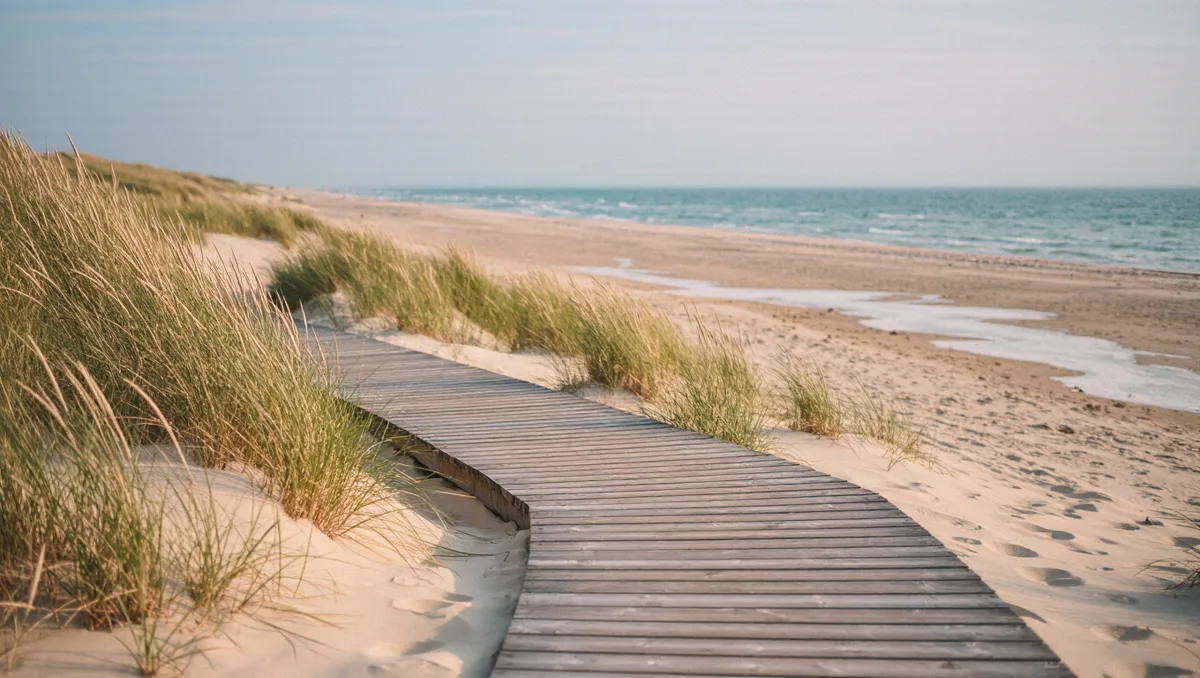
A beginner's shellfishing primer: what gear to bring, how to read the tide, and why the permit comes before the shovel.
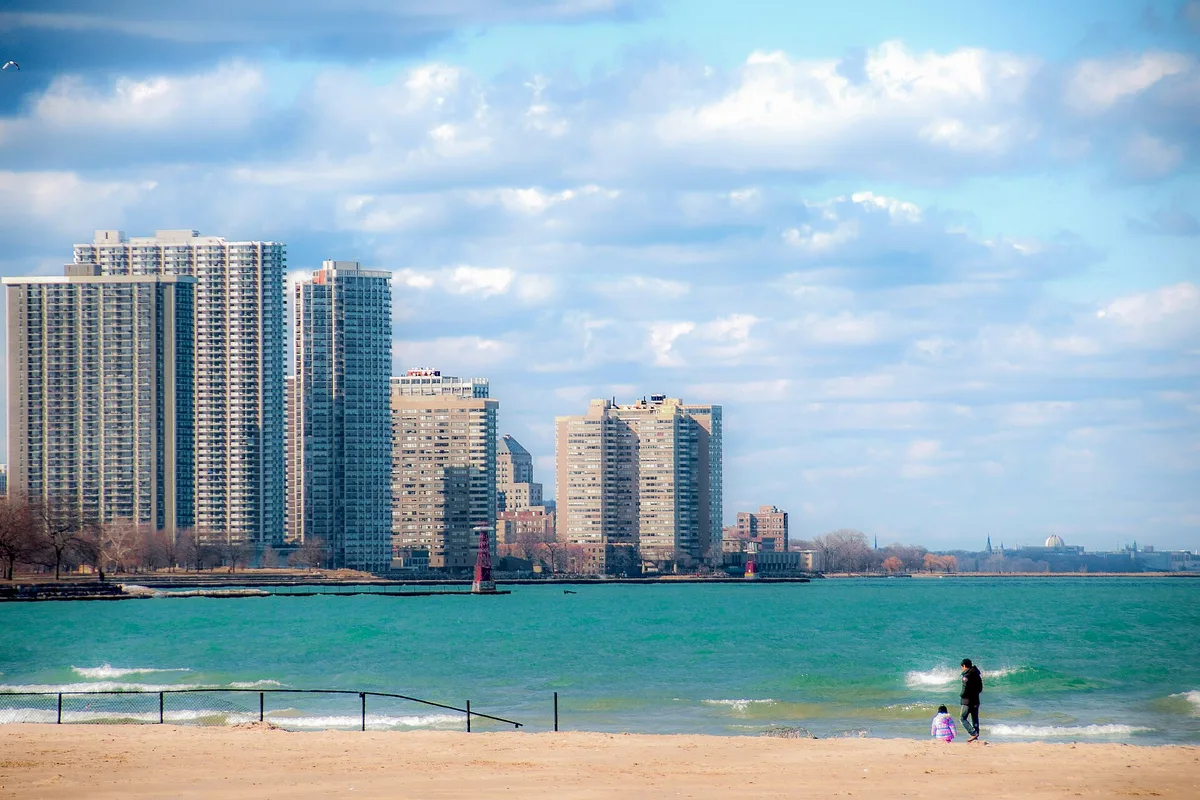
The quiet season on the shoreline has its own light, its own sounds, and a few rules worth knowing before you go.

A calm, room-by-room plan for coastal residents — what to gather, what to call, and what to fix before the first named storm forms.

The gear, the repairs, and the reservations worth sorting before the first hot weekend — so the season starts on time.
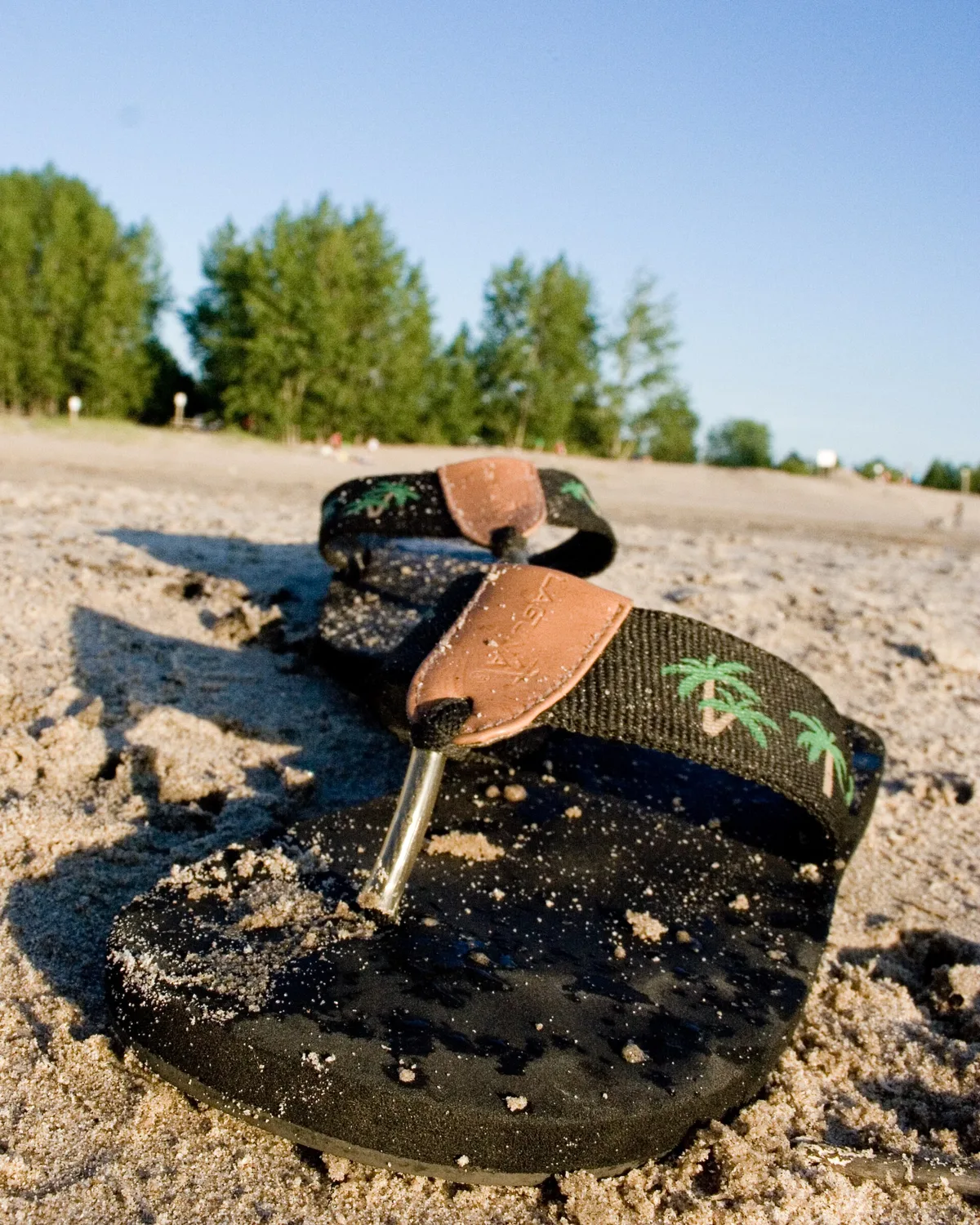
Flip-flops, water shoes, water socks, and hiking sandals protect beach feet in different ways. What each design actually does on hot sand, rocks, and reef.
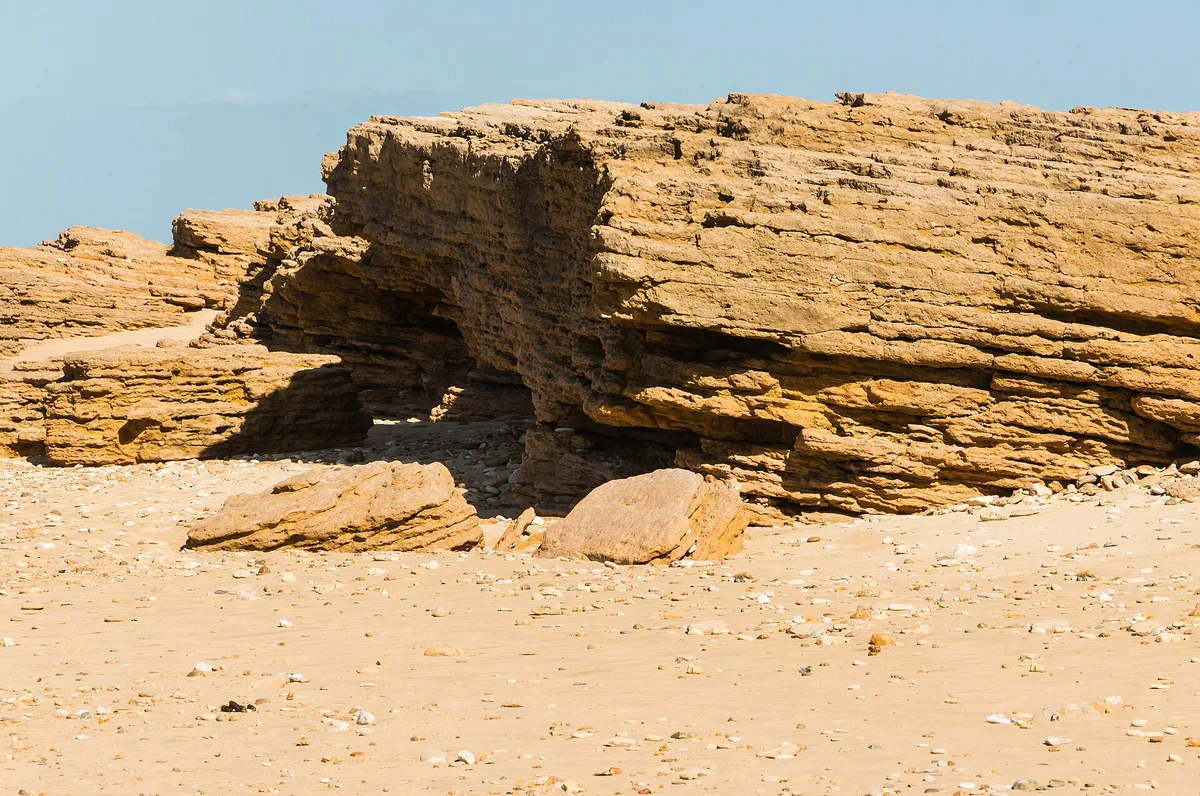
A storm redraws a beach in hours. Learn the warning signs in the sand, why cliffs need extra room, and how long a beach needs to settle before a carefree walk.
Refund windows, rebooking credits, and the fine print that decides how much of your fare comes back.