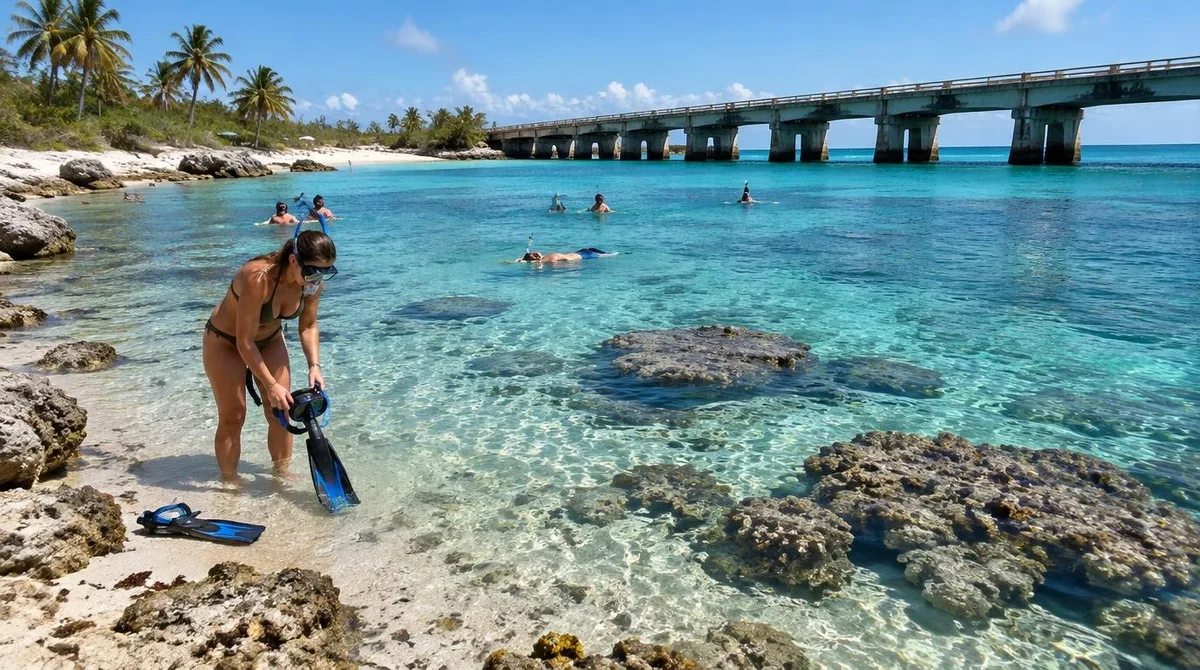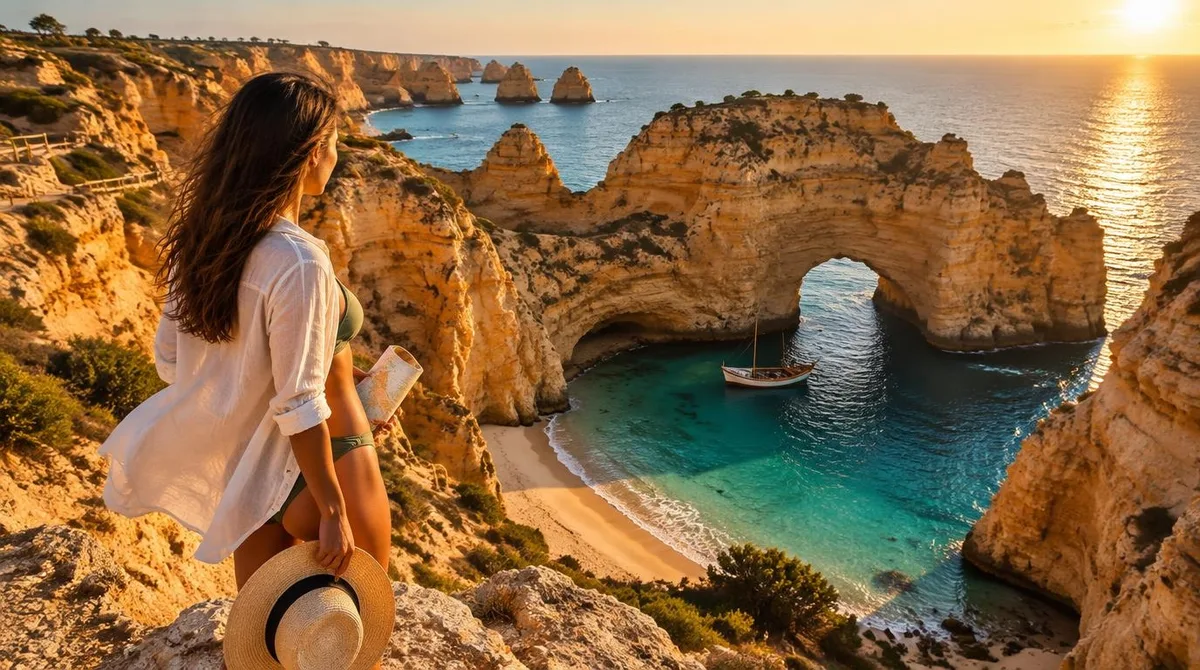
The best beaches in Portugal split into three very different trips: the Algarve's sheltered coves in the south, the wave-heavy Atlantic coast north of Lisbon, and the island beaches of Madeira and the Azores. Pick by what you want from the water. Calm swimming and family-friendly sand points to the Algarve. Surf points north and west. Island beaches trade big crowds for a longer flight.
The trade-off most travelers miss is that Portugal's most famous stretch is not its only good one. According to the Daily Express, the Costa da Prata — Portugal's "Silver Coast," which runs more than 150 miles from Assenta to the mouth of the Douro at Porto — has been described as having "some of the most beautiful stretches of coast in the world" while drawing far fewer tourists than the Algarve. If your priority is sand without the summer crush, that region deserves a serious look.
This guide breaks the coast into its three main zones, explains what each does well, and closes with the practical planning details — access, seasons, and what to check before you book. Readers following this should also see Best Walkable Beach Towns: What Makes a Beach Town Walkable? The Criteria Behind Our Shore Rankings. Readers following this should also see Best Walkable Beach Towns: What Makes a Beach Town Walkable? The Criteria Behind Our Shore Rankings.
When Is the Best Time to Visit Portugal's Beaches?
The shoulder months are the honest answer for most travelers. Summer brings the warmest weather and the fullest beaches, especially in the Algarve, where the season peaks hard. Late spring and early fall keep the weather pleasant while thinning the crowds and the prices.
One sourced data point helps frame the seasons: on the Costa da Prata, summer temperatures reach up to 30C, which the Express describes as an ideal setting for exploring canals and relaxing on sandy beaches. That is warm-air territory, but Atlantic water stays cool by swimmer standards most of the year — a genuine consideration if your trip is built around swimming rather than sunbathing. This connects to our earlier piece, Best Family Beaches in the US: 7 Picks Built for Kids, by the Access and Lifeguard Data. This connects to our earlier piece, Best Family Beaches in the US: 7 Picks Built for Kids, by the Access and Lifeguard Data.
Surfers run on a different calendar. The big swells that make the north coast famous arrive roughly when the beach-swim season ends, so a surf trip and a family swim trip are rarely the same week.
What Makes the Algarve the Default Choice?
The Algarve, Portugal's southern coast, is the country's beach engine — and for good reason. Its coves mean shorter stretches of sand, more shelter from wind and swell, and the cliff scenery the region is photographed for. Sheltered water is easier swimming water, and that is the core of the Algarve's appeal for families and casual swimmers.
The trade-off is popularity. The Algarve is the region international visitors know best, so the signature coves fill in summer and access — parking, stairs down the cliffs, beachfront services — gets tight at peak. The practical play is timing: go early or late in the day in high season, or shift the whole trip to the shoulders.
What this means for your booking: if calm water and walkable beach towns top your list, book the Algarve and manage the crowds with timing. If crowds are the deal-breaker, the next section is your alternative.
Why Consider the Silver Coast North of Lisbon?
The Costa da Prata is the underbooked option, and the sourced detail here is unusually rich. The region is home to Ericeira, Nazaré, Peniche, and Aveiro, and has long drawn surfers for the huge waves that roll in from the Atlantic — waves that often exceed 20 meters (about 60 feet), per the Express, which also notes the area hosts a number of international surfing competitions. Nazaré holds a Guinness World Records listing for the world's largest surfed wave, an 86-foot wave in 2020. That is spectacle, not swimming: for most visitors, Nazaré is a wave-watching stop, not a swim beach.
Away from the big swells, the same coast works as a classic beach trip. Condé Nast Traveller has listed the region among the top destinations in Portugal and Spain, and — as the Express notes — for many travelers it starts at Praia Santa Cruz in Torres Vedras, roughly 20 miles north of Ericeira and popular with surfers. Further north, Aveiro has been nicknamed the Venice of Portugal; the Express reports the city is half the size of Venice with twice the space to explore, and pairs canal-hopping with sandy beaches like Barra Beach and São Jacinto Beach.
The honest trade-off: this coast faces the open Atlantic, so surf and cool water are the norm, and the beach experience is more energetic than the Algarve's coves. Surfers and road-trippers get the better end of that deal. The Express also flags Comporta and Melides to the south as trendier alternatives, with Cascais and Estoril carrying nostalgic charm closer to Lisbon — useful context if your base is the capital.
Are the Island Beaches in Madeira and the Azores Worth the Extra Flight?
The islands answer a different question. Both Madeira and the Azores trade the mainland's easy access for scenery and space that the crowded southern beaches cannot offer.
Worth the flight when: the trip is long enough to justify the hop, and the goal is a quieter, more scenic beach component rather than a week of swimming. Less worth it when: the trip is short, or the whole plan depends on reliably warm, calm water.
Our analysis: treat the islands as a second trip, not an add-on. Pairing them with a mainland week doubles the logistics for a few beach days. A dedicated island itinerary gets you the payoff without the rushed connection.
Practical Details Before You Book
- Regions at a glance: Algarve for sheltered coves and family swimming; Costa da Prata (Ericeira, Peniche, Nazaré, Aveiro) for surf and smaller crowds; Madeira and the Azores for scenery and space.
- Seasons: summer is peak everywhere; the Costa da Prata reaches up to 30C in summer per the Express; swells on the north coast build outside the swim season.
- Access: Algarve coves often involve cliff stairs and tight parking at peak; the Silver Coast's beach towns are more car- and surf-oriented; islands require a flight or ferry leg.
- Conditions change: surf, flags, and facilities vary by beach and week — check the local beach conditions and any official advisories before you go, the same way you would at home. Our guide to beach warning flags explains what the flag system means, and it is worth knowing before any Atlantic swim.
The evidence points one way: Portugal rewards matching the coast to the trip. The Algarve earns its reputation but shares it with a long, quieter Silver Coast that the surfing world found decades ago — and the islands sit outside the comparison entirely. Decide what you want from the water first, then book the region that delivers it. For timing help across any coast, our seasons coverage and planning guides walk through the booking math.