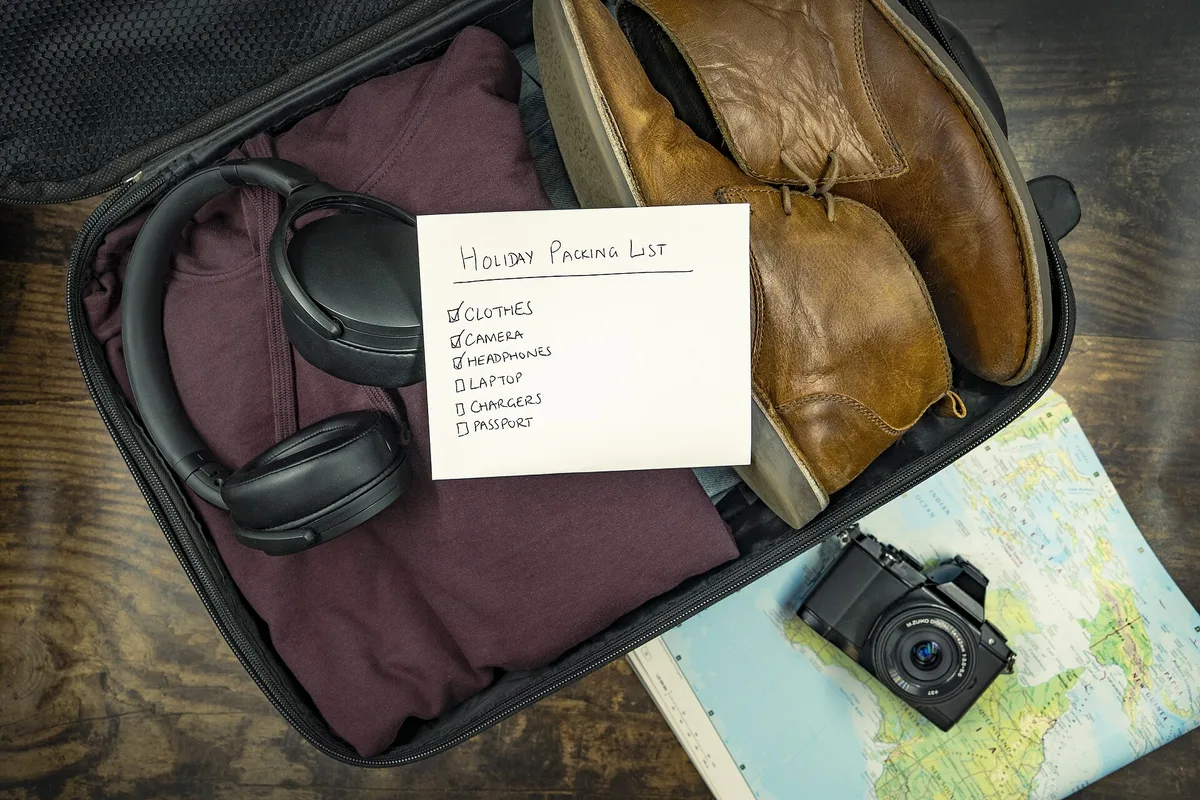
Packing Lists That Actually Work: The Frequent Traveler Method
Why the list you build before you pack beats any template you download the night before.
Booking a coast trip in the right order.
Why the list you build before you pack beats any template you download the night before.
The two-night rule that works in May disappears by July. Here is how minimum-stay rules work, why they tighten, and how to plan around them.
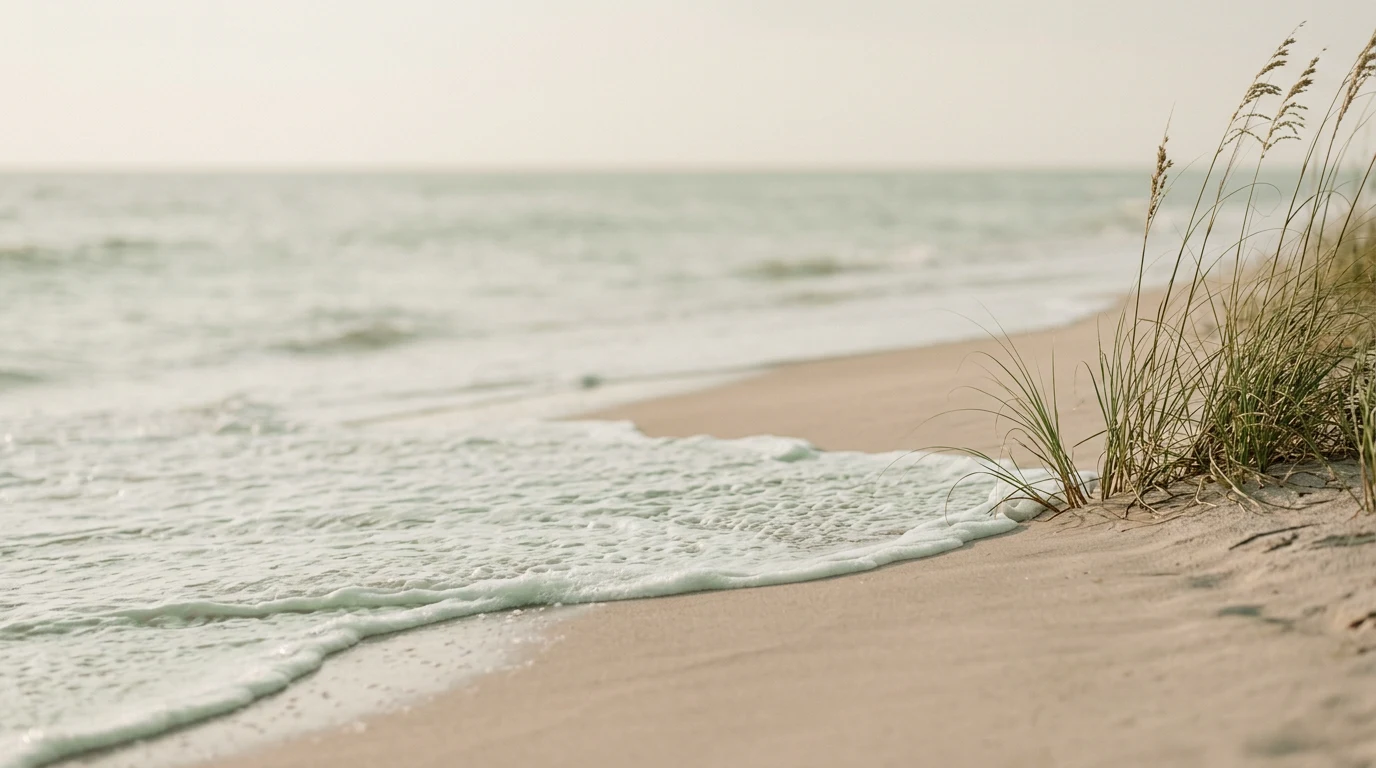
Gulf of Mexico water temperatures peak in August near 86 to 88 degrees Fahrenheit and stay warm enough for comfortable swimming from May through October, per NOAA's long-term sea-surface data.
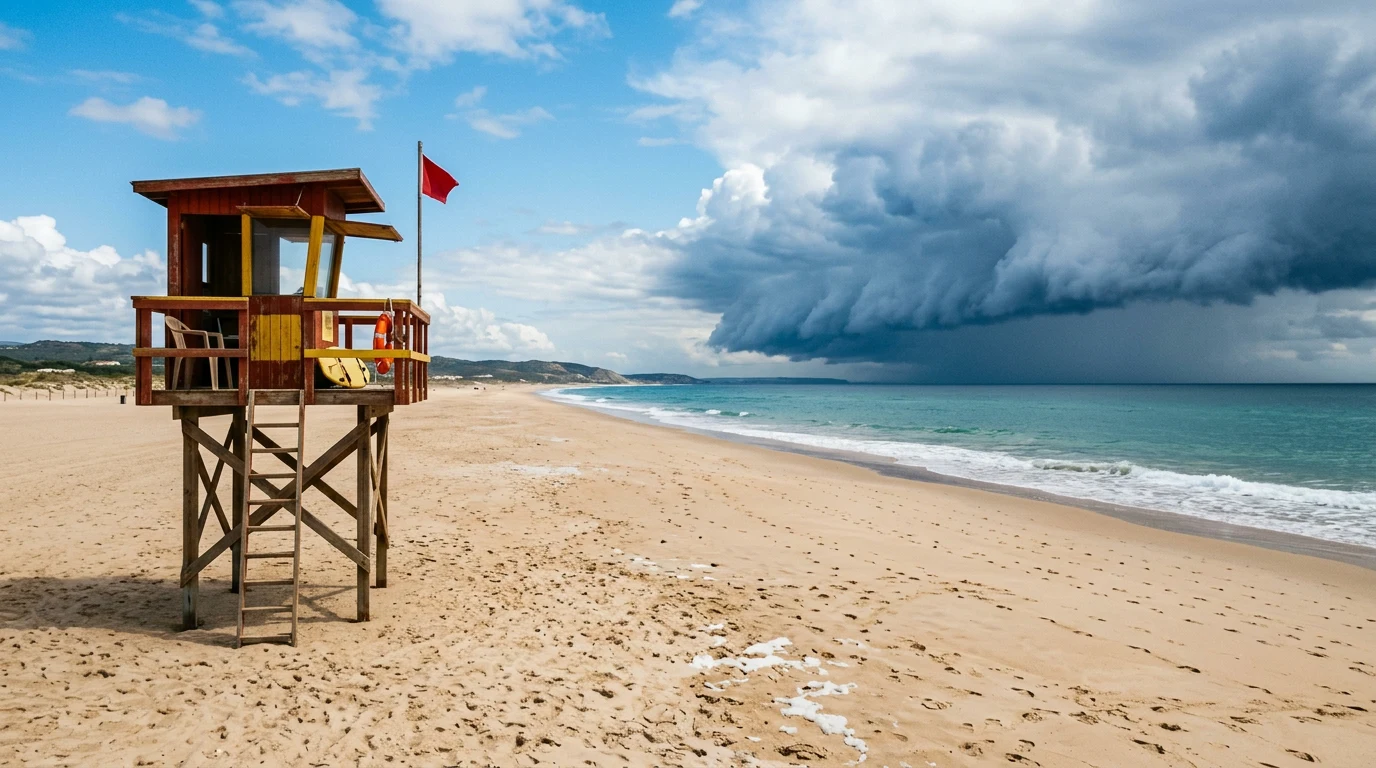
A practical, source-checked framework for booking, watching the forecast, and staying safe on the sand between June and November.
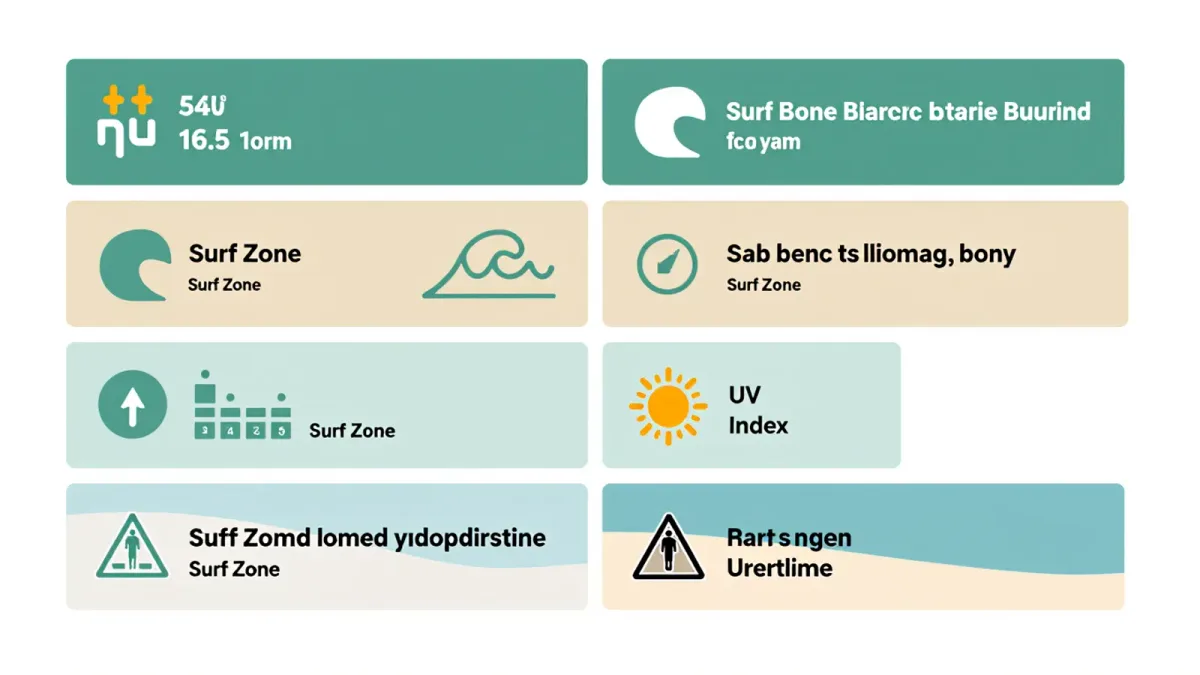
Wind direction, wave period, surf zone wording, tides, UV, and storm flags — which National Weather Service products to open, and what each line means for the sand.
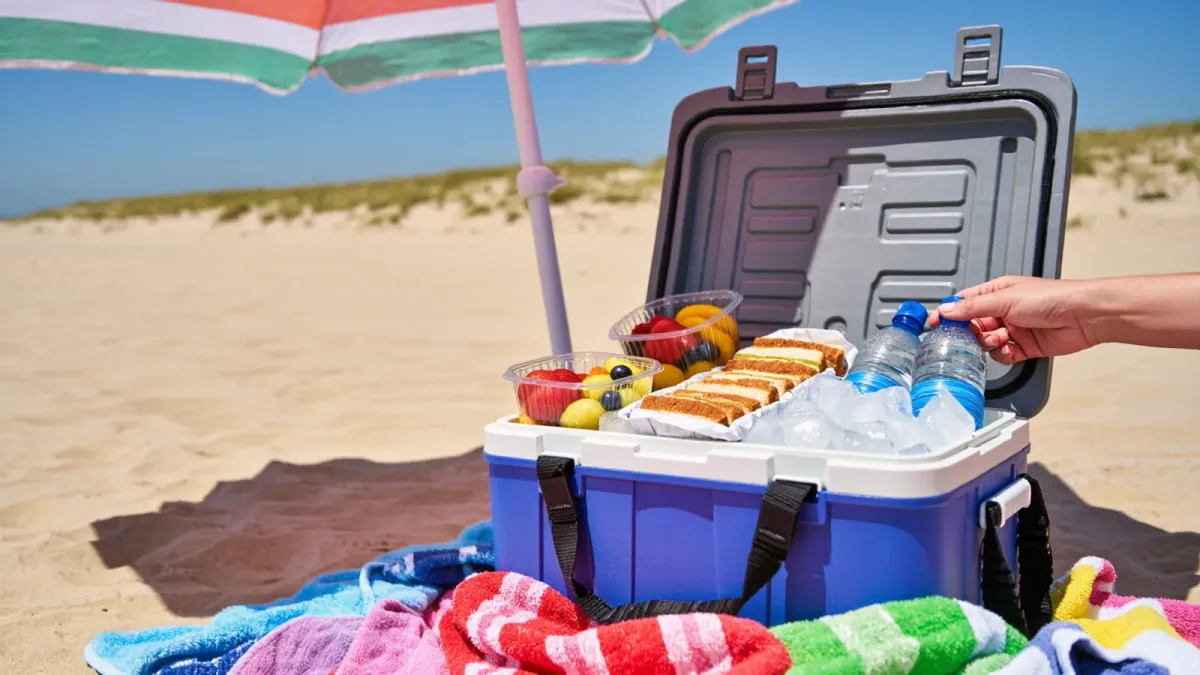
How long beach cooler food actually stays safe on a 90-degree day, what the USDA temperature guidance means on sand, and the packing order that keeps lunch out of the danger zone.