Portugal has earmarked €111 million for beach restoration after winter storms eroded sections of its coastline, with some beaches retreating by up to 20 meters, per Euronews' April 9, 2026 report on the plan. For American travelers who rank the Algarve and the Lisbon-coast beaches among Europe's most reliable, the announcement is the difference between a narrow, scarred shoreline this summer and the wide sand the region is booked for.
This is a news summary of a national coastal-management program, not travel or engineering advice; beach conditions vary by municipality and should be checked locally before a trip.
How bad was the winter?
The 2025–2026 Atlantic storm season hit the Iberian coast with repeated Atlantic lows, and the sand loss was not cosmetic: a 20-meter retreat removes the dry-berm width that sun loungers, lifeguard towers, and beach bars all depend on, per Euronews' reporting. On the famously wide Algarve strands a loss that size narrows the usable beach at high tide to a sliver; on the smaller Lisbon-region beaches it can eliminate it entirely until sand returns.
What does the €111 million buy?
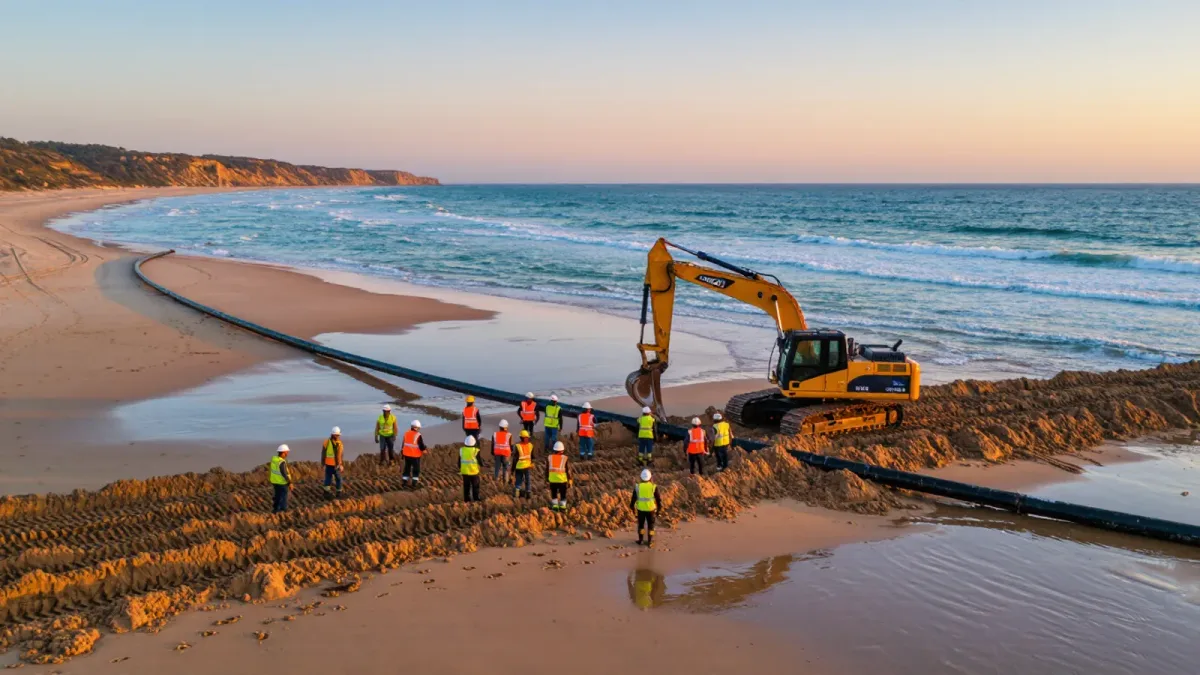
Per the April report, the plan funds restoration of storm-lost beaches — the dredge-and-truck work of bringing sand back to the tourist coast ahead of the season — alongside longer-term coastal defense. Portugal's beach economy is heavily international, and the timing is deliberate: restoration work that starts in spring has a chance to be functional, if not fully settled, by the July–August peak.
What it means for a 2026 Algarve trip
Travelers holding summer bookings should expect a mixed picture rather than a closed coast: beaches under active replenishment look industrial for the weeks the trucks and pipes are working, while completed reaches reopen with newly wide sand. The practical moves are the usual ones — confirm with the municipality or the local tourism office which beaches are in the active work zone for your weeks, and treat any pre-booked front-row beach club with a pinch of sand until its stretch is confirmed finished.
The wider lesson for coastal travelers is one the U.S. shoreline keeps teaching too: a beach is not furniture but a moving system, and the destinations that fund the movement — Portugal just made the largest such bet in its recent history — are the ones that keep their summer promises.