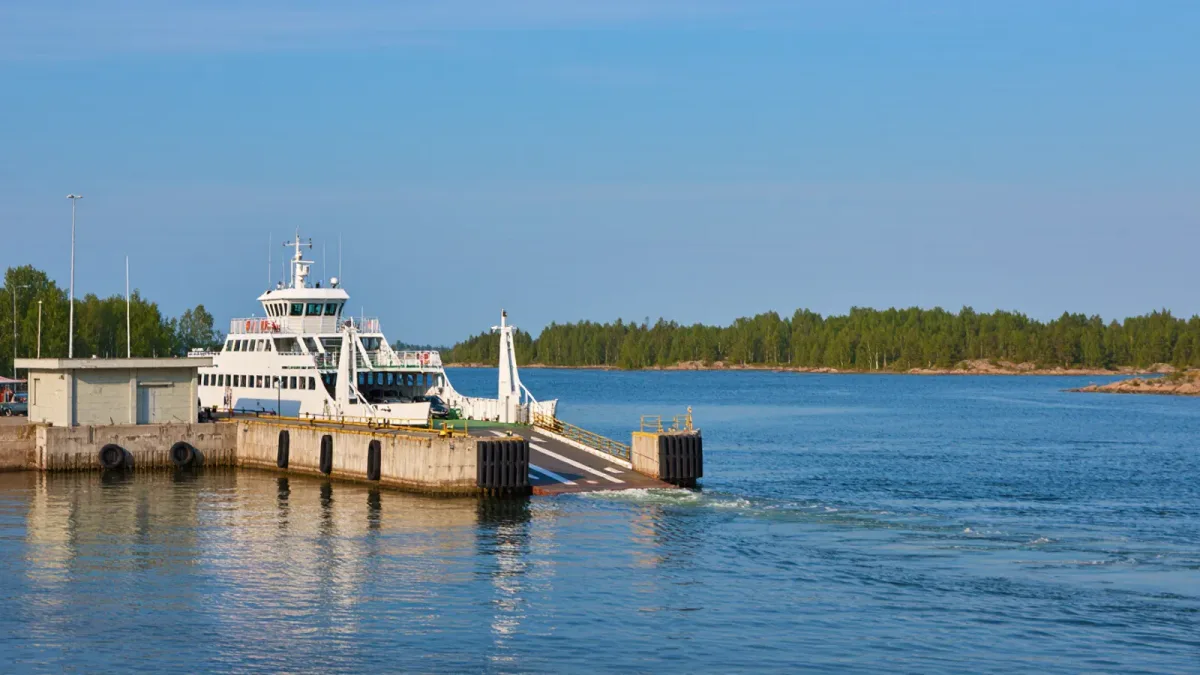
Every American island that depends on a ferry runs on a two-schedule year: a condensed off-season timetable, and a summer season schedule — typically late June through early September — that adds sailings, extends evening runs, and turns a routine crossing into the trip's most contested reservation. The pattern holds from Massachusetts to Washington: Martha's Vineyard and Nantucket ferries from Cape Cod ports, Block Island's boats from Point Judith, the Washington State Ferries run to the San Juan Islands from Anacortes, Catalina's boats from the Los Angeles-area coast, and the state-run crossing to Ocracoke on North Carolina's Outer Banks. The operator's seasonal timetable is the authoritative calendar for each — published months ahead and changing on set dates — and the summer season's defining mechanic is the same everywhere: vehicle space books out far ahead while walk-on passengers travel far more freely. This guide covers the season mechanics island by island and the booking rules that decide whether the trip starts relaxed or in a standby line.
Why ferries shape island travel so tightly is arithmetic: crossing capacity is fixed — a boat holds what it holds — so summer demand does not raise prices so much as fill them, and the island's lodging, restaurants, and roads all calibrate to the same season the ferry company publishes each winter.
How do the Cape and Islands ferries run in summer?
The Vineyard and Nantucket operate the country's busiest seasonal ferry market. The Woods Hole, Martha's Vineyard and Nantucket Steamship Authority runs the Vineyard's vehicle-and-passenger service from Woods Hole — three ports, one island, and a summer vehicle-reservation system whose slots for the peak weeks sell out months ahead — alongside plentiful walk-on passenger sailings that run all day on the seasonal timetable. Hy-Line and other operators add fast-ferry passenger service to both islands, cutting crossing times roughly in half on a walk-on basis. The resulting playbook for a summer visit: bring the car only if the island stay requires it — both islands run excellent seasonal bus systems and rental options on-island — and book walk-on tickets for the first sailing of the morning when driving is unavoidable. Vineyard Haven, Oak Bluffs, and Nantucket town are all walkable from their terminals, which is exactly why the walk-on strategy works.
What about Block Island and Ocracoke?
Block Island runs on two operators from two states: high-speed passenger boats and traditional ferries from Point Judith, Rhode Island, plus a smaller seasonal run from Newport and from Montauk, New York, with the summer schedule adding crossings and the high-season weekends filling garages at the terminals — the same reserve-early-for-vehicles rule applies. Ocracoke, reachable only by water or air, is served by the North Carolina Ferry System, whose Hatteras-to-Ocracoke crossing is the practical front door: a roughly hour-long state-run sailing that runs all day on seasonal frequency, first-come boarding for the most part, with a longer toll route from the mainland. The Outer Banks version of the ferry season has its own texture — summer lines form before the morning's early departures, and the North Carolina DOT publishes the seasonal timetable with the rest of the state's ferry schedules. On both islands, the off-season timetable is a different trip: fewer crossings, shorter days, and a fraction of the traffic.
How do West Coast island ferries differ?
Washington State Ferries runs the Anacortes–Friday Harbor route to the San Juan Islands, where the summer schedule adds sailings and the system's vehicle reservations sell out weeks ahead for peak dates — the reservation release dates are published on the agency's site, and the standby line for unreserved vehicles is a genuine summer institution with real uncertainty attached. Walk-ons travel easily in both directions, and the islands' shuttle and bike culture makes car-free visits practical. Catalina is the opposite model: no cars for visitors, and the Catalina Express and other operators run high-speed passenger crossings from Long Beach, Dana Point, and Newport Beach on timetables that expand in summer — the booking is a seat, not a vehicle, so same-day travel is realistic, though holiday weekends still sell out the convenient departures. On both coasts, the seasonal schedule change dates are firm: the operator's timetable page, checked before booking, is the whole chore.
What are the rules that apply everywhere?
Five, learned at terminals nationwide. Book vehicle space the moment the operator opens peak-season reservations — months ahead for summer weekends in every system described here. Travel as a walk-on where the island allows it; passenger capacity is dramatically more flexible than vehicle capacity. Take the earliest sailing of the day — first boats run on time and the terminal is calmest. Arrive ahead of the posted cut-off for vehicle check-in; arriving late does not hold your reservation in most systems. And re-check the timetable close to travel: seasonal schedule changes, weather holds, and maintenance substitutions are all announced on the operator's page, and a five-minute check avoids a terminal wait. Conditions and schedules change — check the official operator's advisory before you go.
| Route | Operator | Season pattern | Summer booking rule |
|---|---|---|---|
| Woods Hole–Martha's Vineyard | Steamship Authority | Seasonal timetable, expanded summer sailings | Vehicle slots months ahead; walk-ons flexible |
| Cape Cod–Nantucket | Steamship Authority / Hy-Line and others | Fast ferries and traditional runs, peak summer | Walk-on fast ferry; reserve early for cars |
| Point Judith–Block Island | Private operators | Summer schedule adds crossings | High-season weekend ferries fill |
| Hatteras–Ocracoke | NC Ferry System | All-day seasonal frequency | Early morning arrival for short lines |
| Anacortes–San Juan Islands | Washington State Ferries | Summer schedule plus vehicle reservations | Reservations sell out weeks ahead |
| LA area–Catalina | Catalina Express and others | Expanded summer passenger timetable | Seat booking; holiday weekends sell out |