The best-kept secret of the shore is that it does not end on Labor Day. The ocean holds its summer heat deep into September and often October, while the parking lots and boardwalks empty out almost overnight. For travelers willing to swap the peak-season calendar for a quieter one, a fall beach vacation delivers the same sand and surf with a fraction of the company — and usually a friendlier bill at the end of it.
The season starts on a precise date. According to The Old Farmer's Almanac, the autumnal equinox of 2026 arrives on Tuesday, September 22, at 8:04 P.M. EDT — the moment day and night stand roughly equal before the days begin their long slide toward winter. That date, not Labor Day, is the honest boundary of the beach year.
What follows is a stretch of coast that belongs to the people who show up for it. Mornings are cool and clear. The light comes in low and gold. And in many shore towns, the harvest season brings its own festivals, farm stands, and reasons to linger inland for an afternoon before heading back to the water. This guide explains why autumn works so well at the beach, what changes when the summer operators go home, and how to plan around the one real risk of the season. For the full month-by-month picture of the coastal year, our Seasons coverage follows the whole cycle.
Why is the ocean still warm after summer ends?
Water is slow to heat and slow to cool. All summer, the sun has been pouring energy into a vast, sluggish body of water, and that stored warmth does not vanish the moment the air turns crisp. The result is a lag of several weeks: by the time the beach chairs are stacked and the snack bars shuttered, the surf can still feel more like August than autumn. Swimmers who assume the season is over are often surprised to find the water at its most comfortable exactly when the sand is emptiest.
Air temperatures tell a different story, and it pays to plan for both. Early fall days along much of the seaboard can still be genuinely warm, but evenings cool quickly, and a north wind can change the feel of a beach day in an hour. Pack layers, check the forecast for the specific town rather than the region, and treat any warm-water window as a bonus rather than a guarantee — conditions vary by coast and by week. We covered a connected angle in Shoulder Season at the Beach: When the Crowds Thin but the Water Is Still Warm.
What this means in practice: September and early October are the sweet spot for combining swimming with everything else fall does well. Later in the season, the beach shifts from a swimming destination to a walking one, which is its own reward.
What changes at a shore town after Labor Day?
The rhythm of a beach town in fall is different, and knowing what shifts helps set expectations. Some services run on reduced schedules or close for the season. Lifeguard coverage in particular often ends or shrinks after the summer months — our guide to when Assateague Island's beaches are lifeguarded shows how much this varies even within a single park. An unguarded beach in September demands different judgment than the same beach in July.
On the other side of the ledger, access gets easier. Parking that required arriving before nine in July sits open all morning. Restaurants drop the wait lists. Rental rates in many towns step down from peak pricing, though the exact discounts depend on the market and the week — our look at what's cheap and what's closed in the off-season beach town walks through that trade. Ferry schedules also change after summer, sometimes shrinking to fewer sailings per day, so island trips need an extra check of the timetable before booking. For related coverage, see Labor Day at the Beach: The Season's Last Peak — and the Week Right After It.
The practical details block, in short: confirm the managing authority's current rules and any fees for the specific beach, check whether lifeguards are on duty, verify ferry or access schedules if the town sits on an island, and remember that conditions change — check the official advisory before you go.
Where do the beach and the harvest season meet?
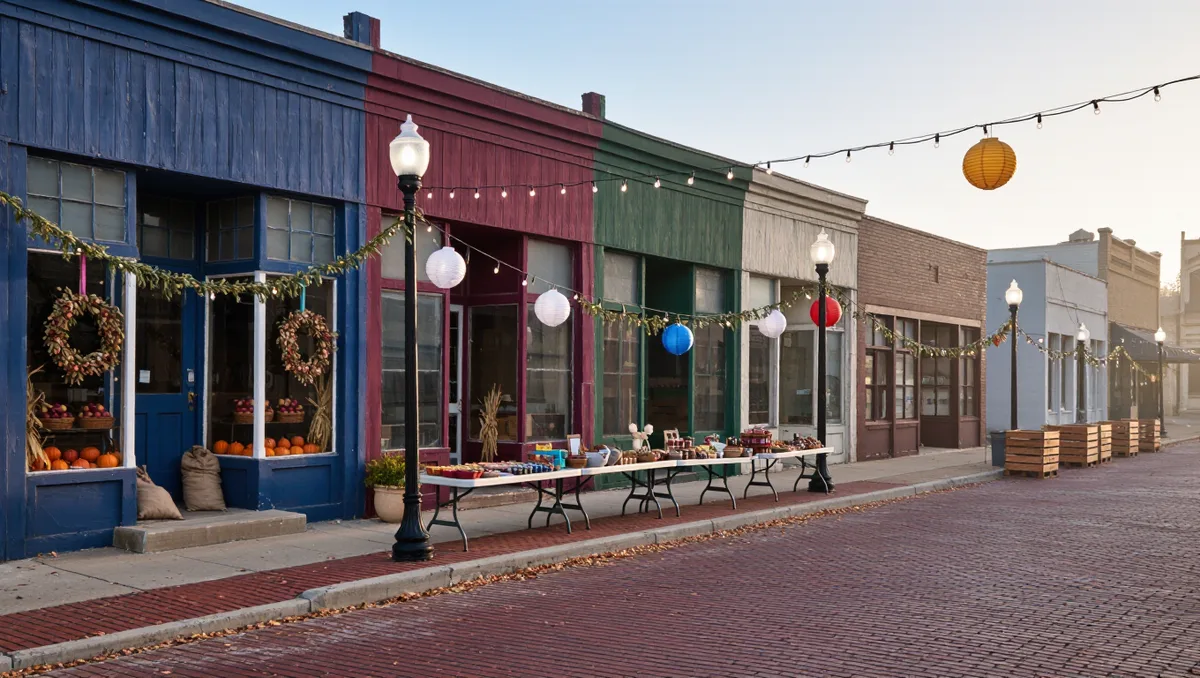
Fall is the shore's second harvest, and it unfolds just inland from the dunes. Apple orchards and pumpkin fields ripen within easy drive of many coastal towns, and farm stands that sold peaches and corn all summer pivot to squash, cider, and late-season apples. Many seaboard towns fold this into the calendar with harvest festivals, craft fairs, and food events through September and October — the specifics vary town by town, so the local chamber of commerce or tourism office page is the place to confirm dates before building a trip around one.
The season even marks itself in the sky. The Almanac notes that the full moon nearest the autumnal equinox is always the Harvest Moon, and that around the equinox it rises close to sunset for several nights in a row — a run of bright early evenings that historically let farmers work late and that now make for striking beach walks. On the water's edge, the season brings its own wildlife moments: shorebirds pass through on southbound migration, and in some regions whales move along the coast in fall as well as the better-known summer feeding season.
Even the leaves join in. As days shorten, chlorophyll breaks down in the leaves and reveals the yellow and orange carotenoids and red anthocyanins underneath — a process driven by daylight, not by a cold snap, as the Almanac's foliage notes explain. On coasts with maritime forest and dune shrubs, that color shows up in unexpected places, framing the beach rather than replacing it.
What is the one real planning risk of a fall beach trip?
Honesty requires naming the season's complication: fall sits inside Atlantic hurricane season, with activity historically peaking in September. This does not make a fall beach trip a gamble — millions of them go off without a whisper of weather — but it does mean a traveler should plan with flexibility rather than hope. Book refundable rates where possible, note the property's cancellation and rebooking terms before paying, and watch the official forecasts in the days before departure rather than the rumors.
The calm approach is the right one. Storm coverage at the shore is a logistics exercise: closures are announced by the managing authority, evacuation zones are published by local emergency management, and rebooking windows are set by the operator. None of it requires drama, and none of it should be improvised. A traveler who has read the cancellation policy and knows where the official advisories live can usually adjust a fall trip in an afternoon.
Water safety deserves the same check-before-you-go habit. Rip currents and changing conditions do not take the fall off, and with lifeguard coverage reduced in many towns, the swimmer carries more of the responsibility. Check the local beach forecast from the official forecast agency before getting in.
How do you plan the shoulder weeks?
The weeks right after the summer peak — and again in late October, once the school-break crowds pass — are where a fall beach vacation earns its reputation. Our guide to shoulder season at the beach covers the wider pattern of thinning crowds and lingering warmth; the fall version of it adds harvest festivals and the Harvest Moon evenings to the usual advantages. Travelers who want the very quietest stretch should aim for the weeks after the fall foliage and festival traffic, when towns settle toward their true off-season.
A simple planning sequence works for most trips:
- Pick the water priority first. If swimming matters, aim for early fall; if walking and atmosphere matter, the whole season opens up.
- Confirm what is open: lifeguard schedules, ferry timetables, and the town's festival calendar, each from the official source.
- Book flexible lodging and read the cancellation terms before paying.
- Check the beach forecast and any official advisory in the final days before travel.
The evidence from the seasonal calendar is clear on one point and open on another. It is established that the shore's warm-water season runs well past the summer holidays — the equinox on September 22, 2026, is the astronomical start of fall, not the end of beach weather. What remains unknown, trip by trip, is exactly how warm a given week will be on a given coast, which is why the last check before you go is always the official one. The sand, for those who show up, is already waiting.