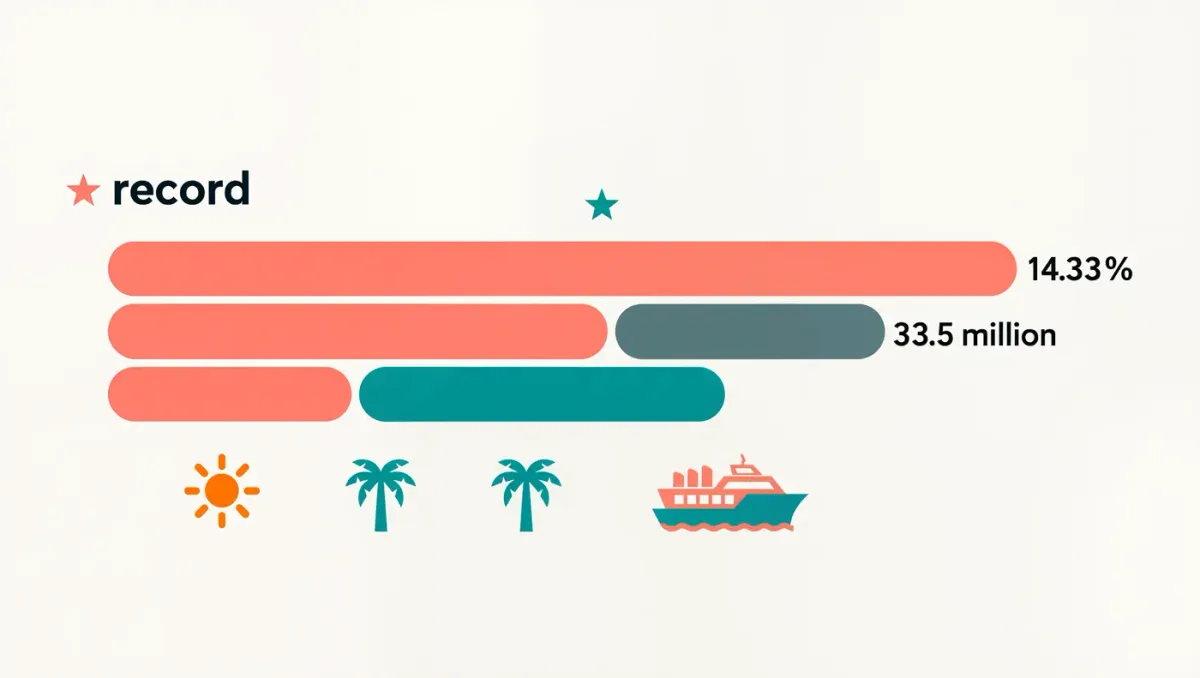
Preliminary counts from the Florida Fish and Wildlife Conservation Commission show 2,152 leatherback sea turtle nests documented in 2026 — a figure that, if confirmed, would make this the state's record leatherback nesting season, surpassing 2025's mark of just over 2,000 nests, per FWC's mid-June season update. Statewide, surveyors had documented 33,646 nests of all species by the update, which the agency called a very strong start across Florida's beaches.
This is a wildlife-population news note, not wildlife-handling guidance; nests and hatchlings are protected under state and federal law, and the rules come from FWC and the managing authority of each beach.
Why the leatherback number stands out
Leatherbacks — the largest turtles in the ocean, and regular nesters in Florida nowhere else on the continental United States — averaged roughly 1,389 nests a year statewide over the past five years, per FWC. A season above 2,100 represents a step change, and it lands on top of 2025's record-setting class. The agency's standardized Index Nesting Beach Survey, which has tracked 27 core index beaches since 1989, is the dataset that turns these counts into trend lines rather than anecdotes.
What it changes on the beach
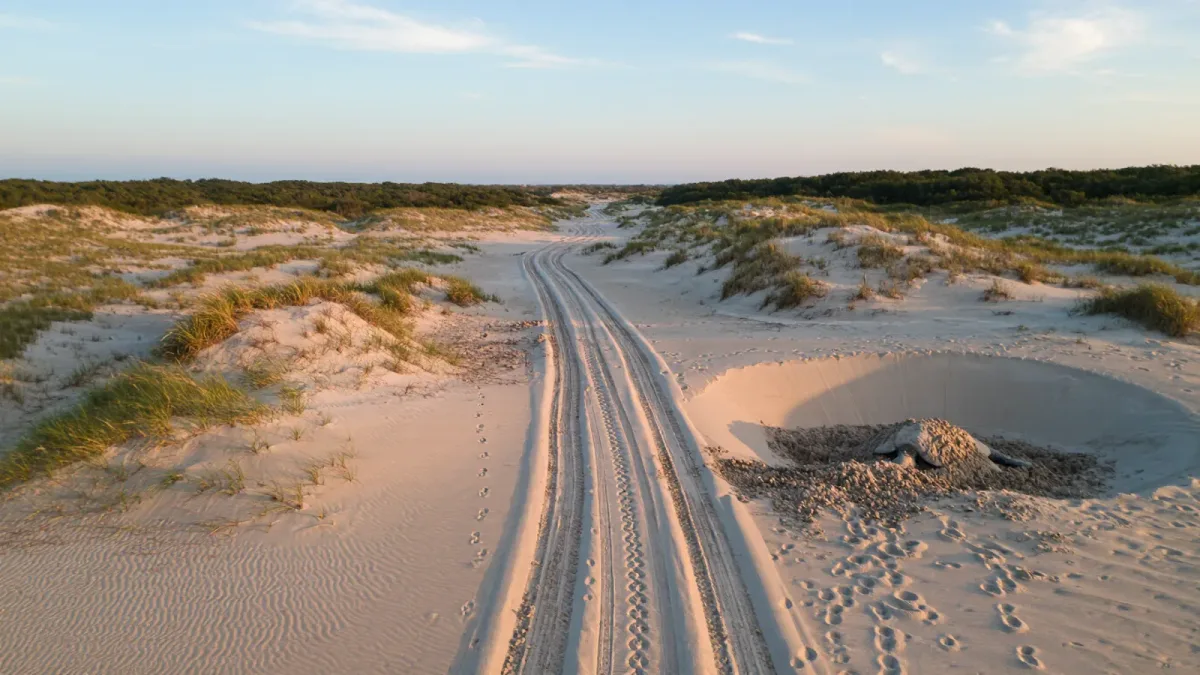
More nests mean more marked nest sites, more hatchling emergences through late summer, and stricter-looking beaches in the towns where leatherbacks favor the sand — the Treasure Coast and the Panhandle's quieter reaches among them. For travelers the practical physics are unchanged: lights out on the beach at night, leave marked nests alone, fill in holes and knock down sandcastles at the day's end, and give a nesting female a wide, dark, quiet berth. What changes is the odds of encountering the evidence — a leatherback's broad track is unmistakably wider than a loggerhead's and often runs from the water to a dune and back.
Where to watch — without interfering
Several coastal nature centers and permitted walk programs offer guided dawn walks during hatchling season, which is the only responsible vantage point. FWC's reminder to beachgoers holds every year: report stranded or disoriented turtles to the state's wildlife hotline rather than intervening, since well-meant handling does more harm than the tide.
A record season is the rare good news story of coastal Florida — and it is written entirely in sand that visitors share.